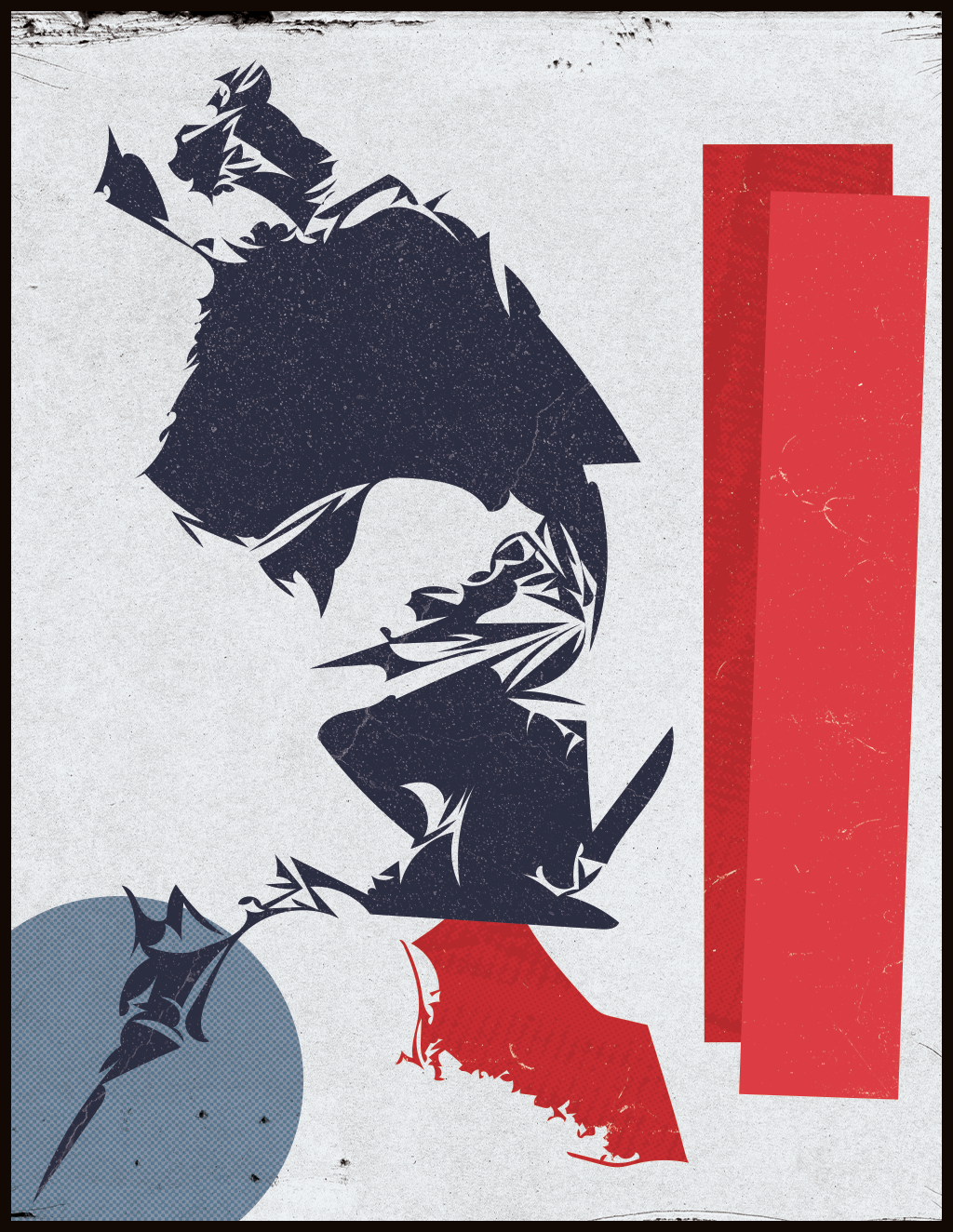
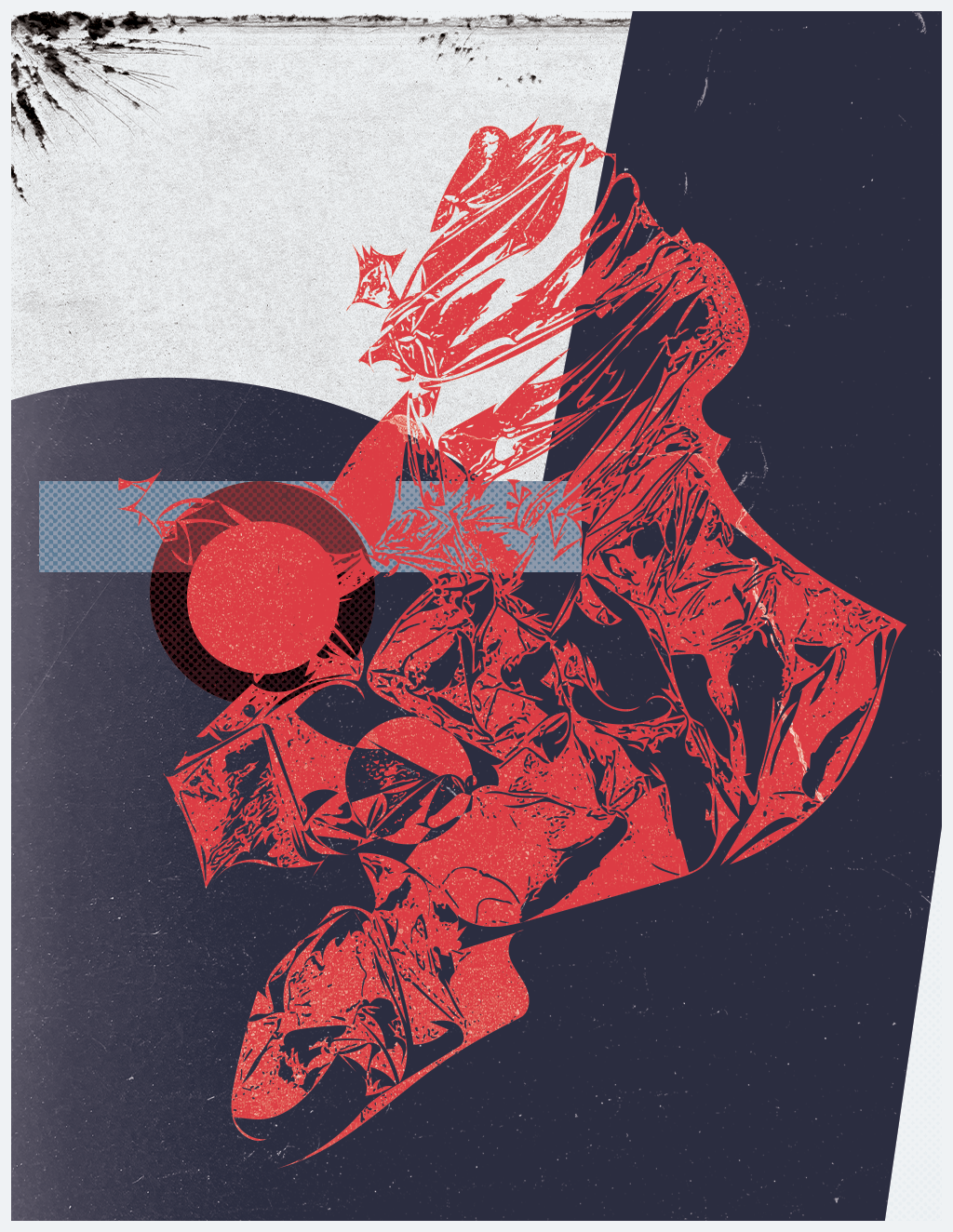
Foils
Series
Nine experimental collections exploring aluminum foil as an adaptive generative system.
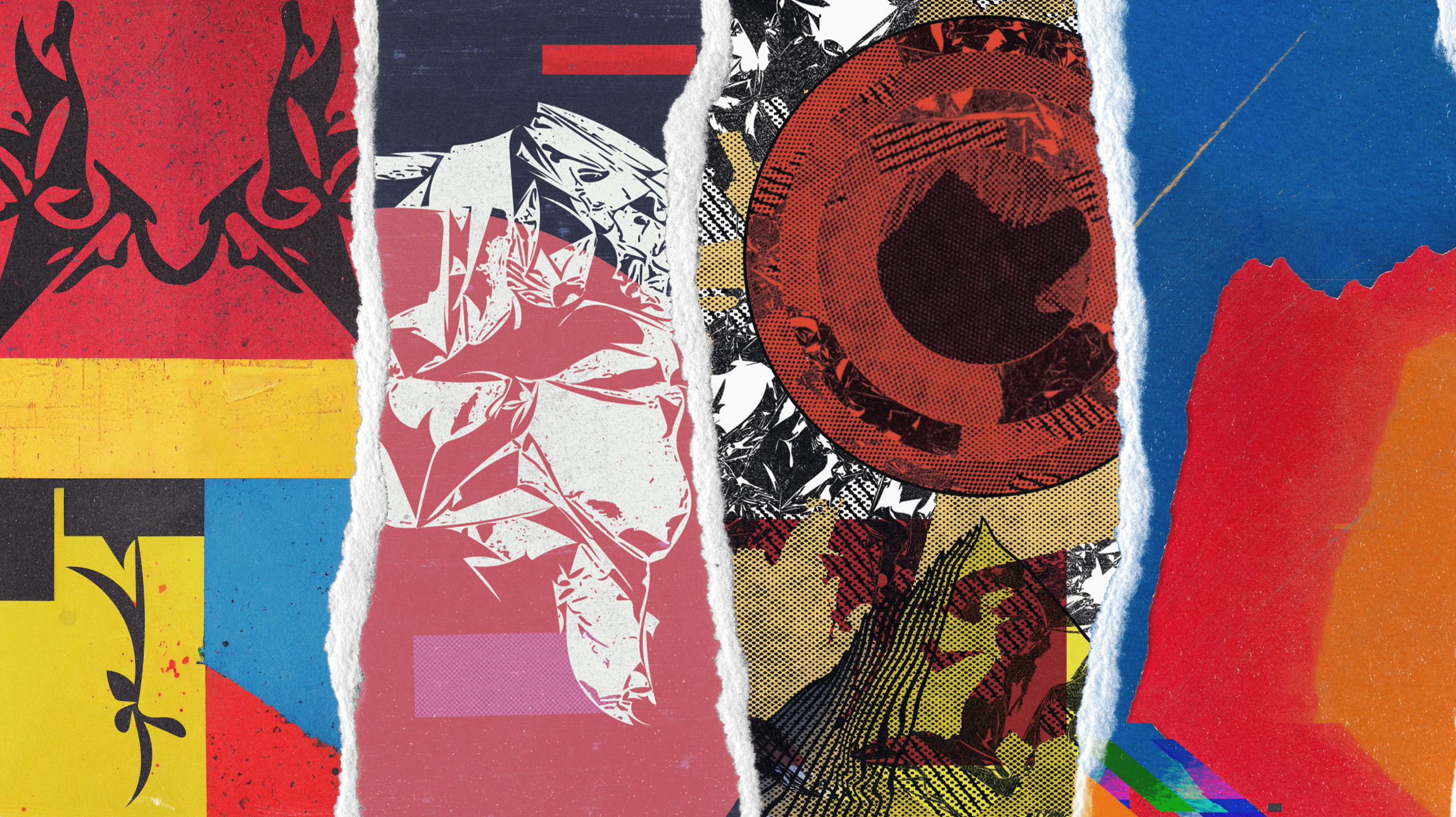
IntroductionFoils Series extends the core aluminum foil technique into distinct generative experiments, each testing different material processes, collaborative frameworks, and temporal constraints. If Foils is the foundational methodology, these are variations; same wrapper, different explorations. The aluminum foil photographed, extracted, and processed into abstract compositions, but each series pushes toward new conceptual and technical territory.
The series includes nine major collections produced between 2022-2024. They're not sequential chapters but parallel investigations: testing what happens when the foil technique meets audience participation, algorithmic collaboration, speed constraints, deliberate overproduction, or comic book aesthetics.
The Collections
Stencil Foils
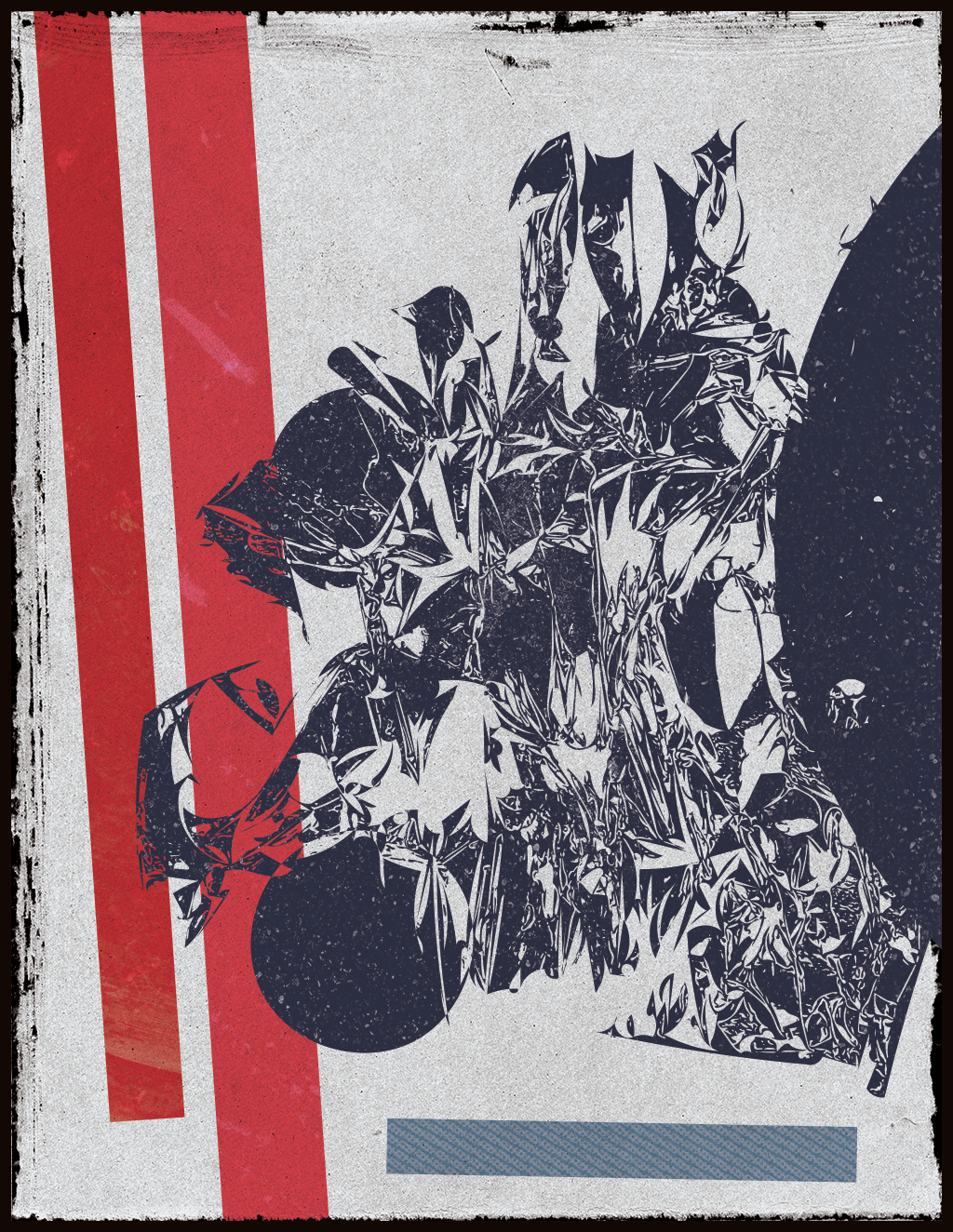
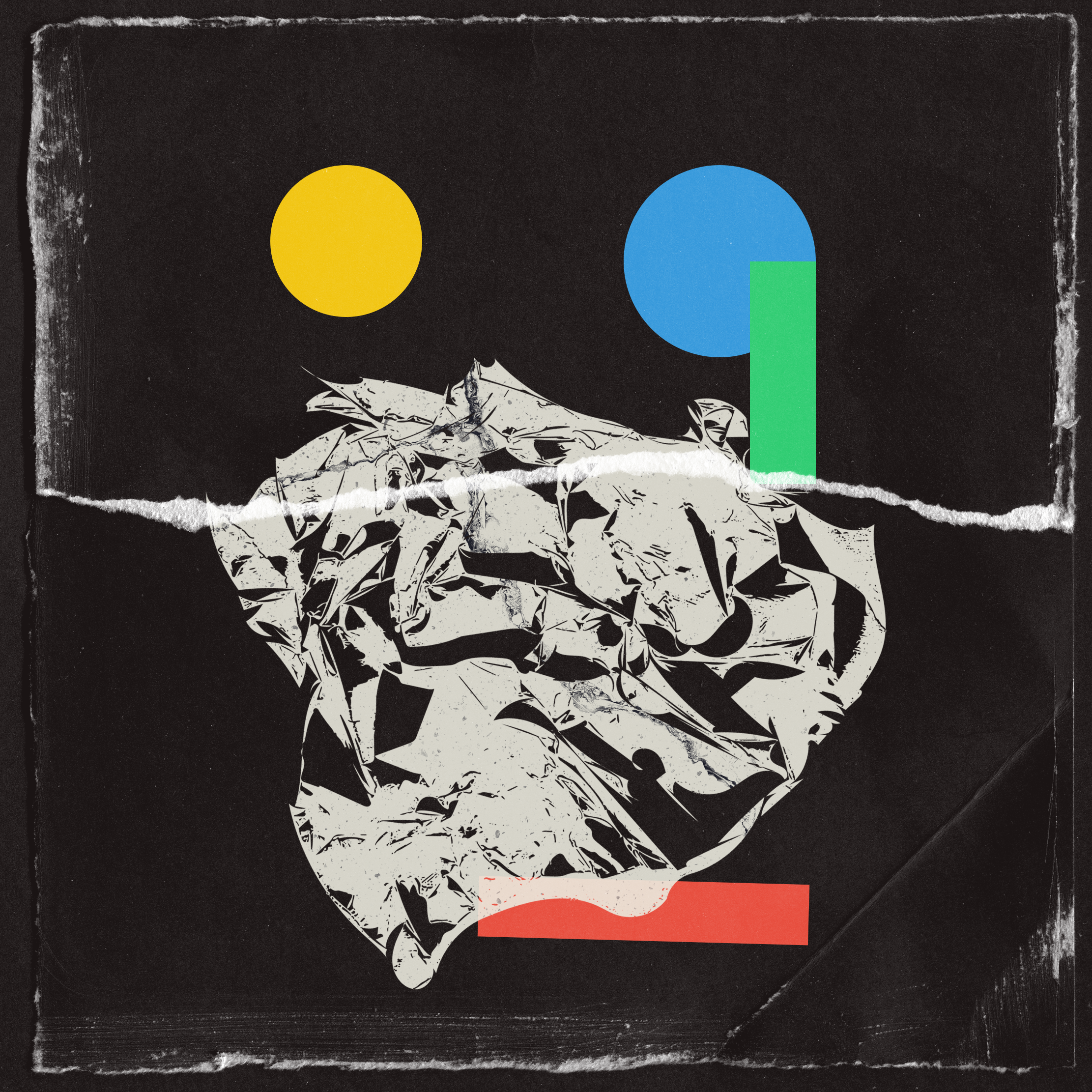
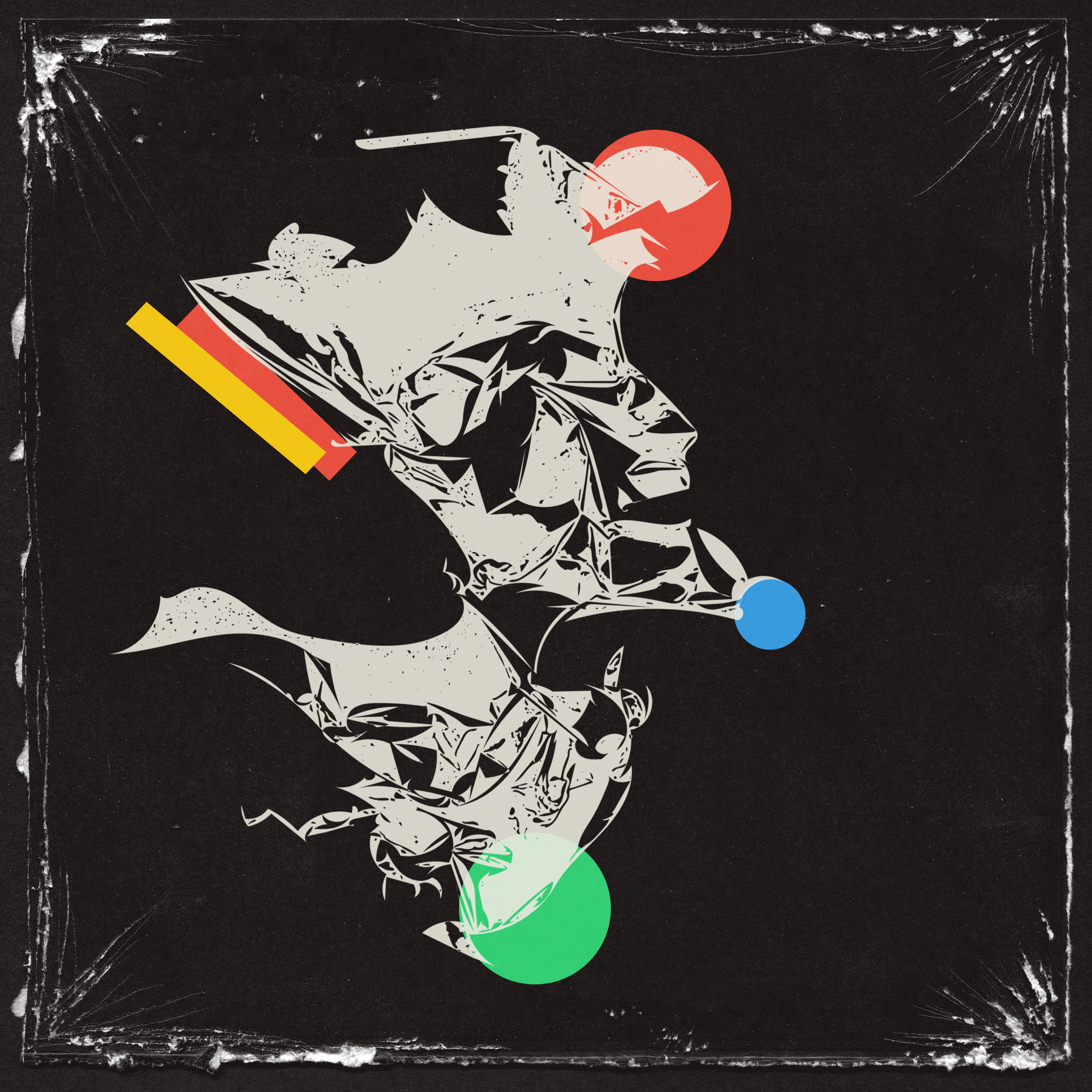
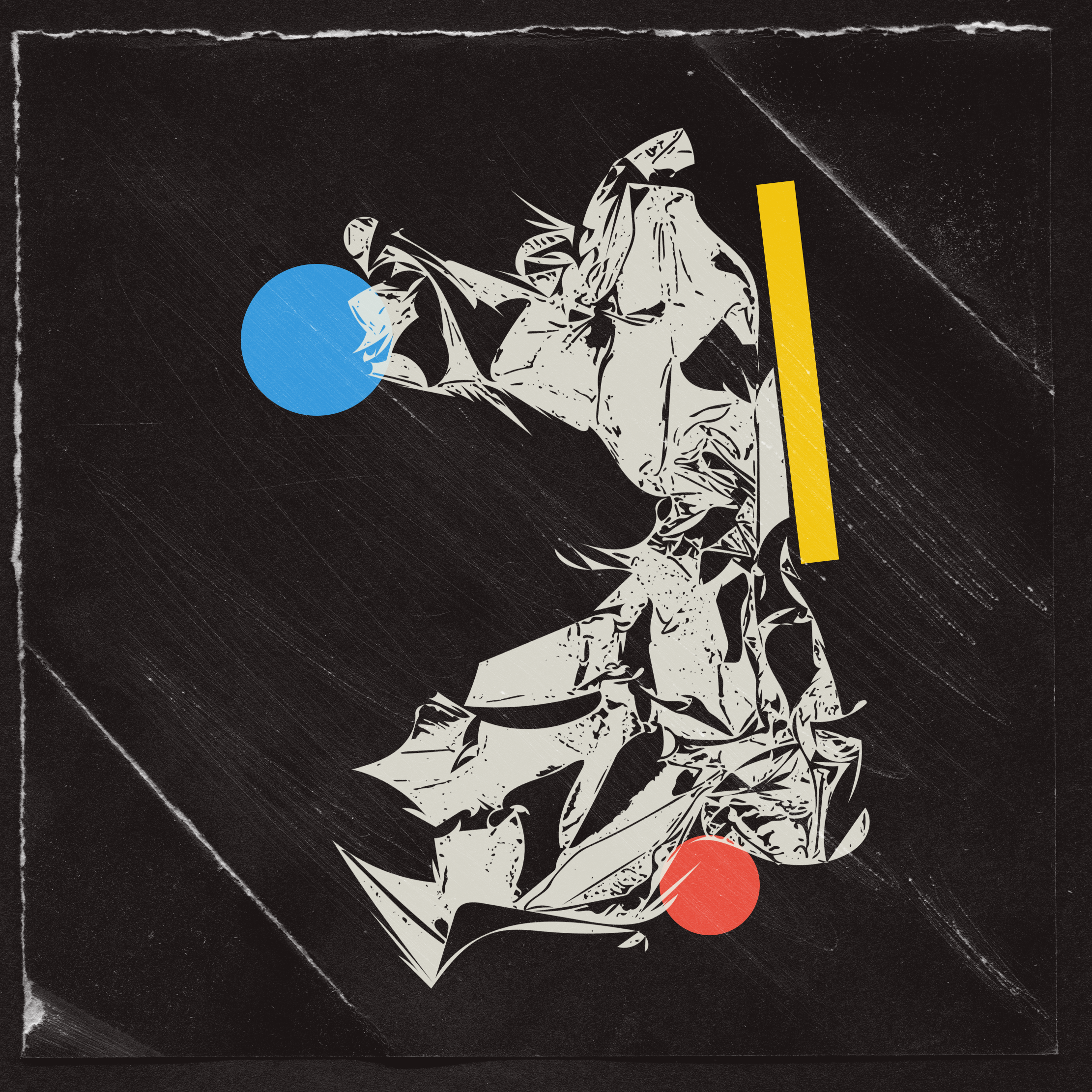
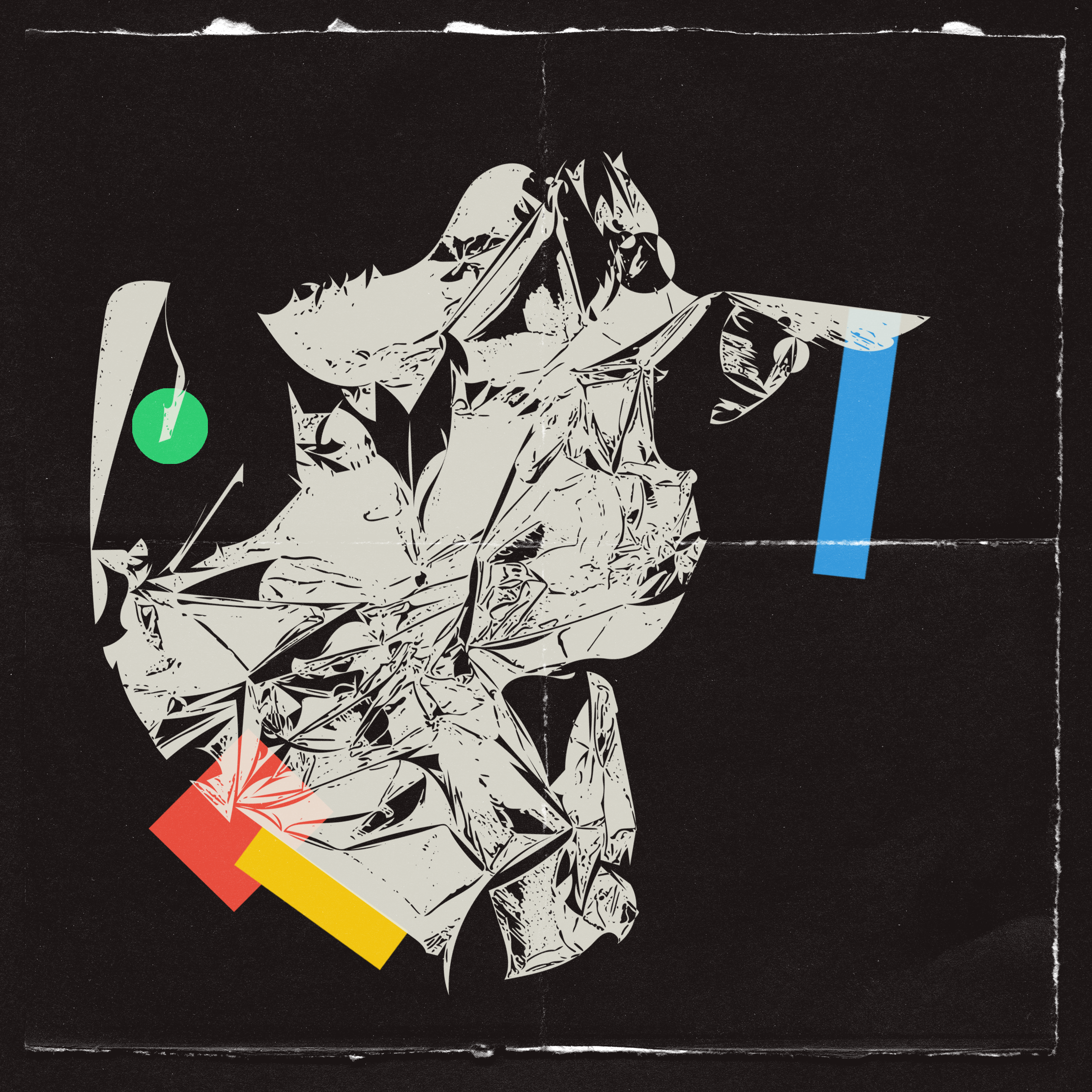
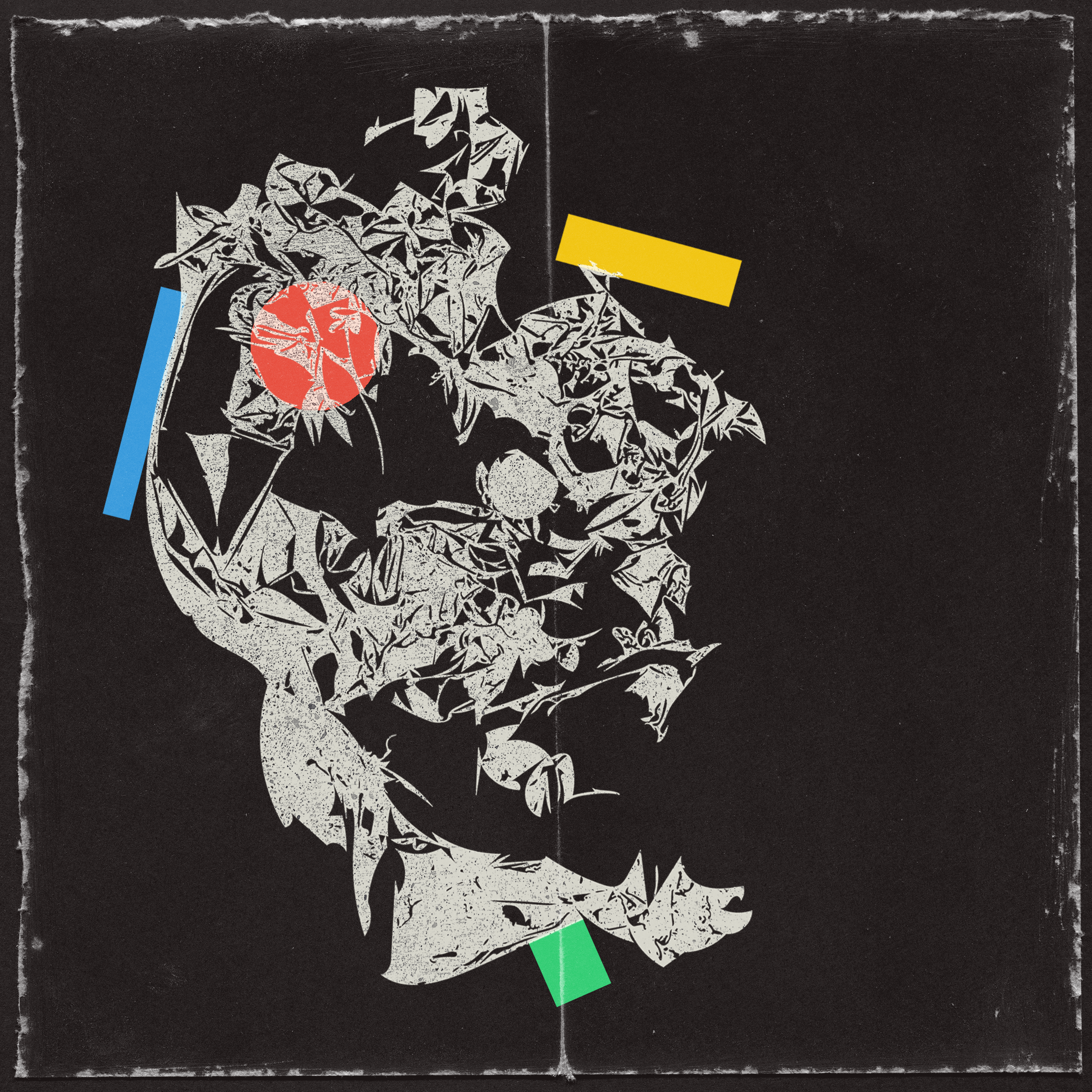
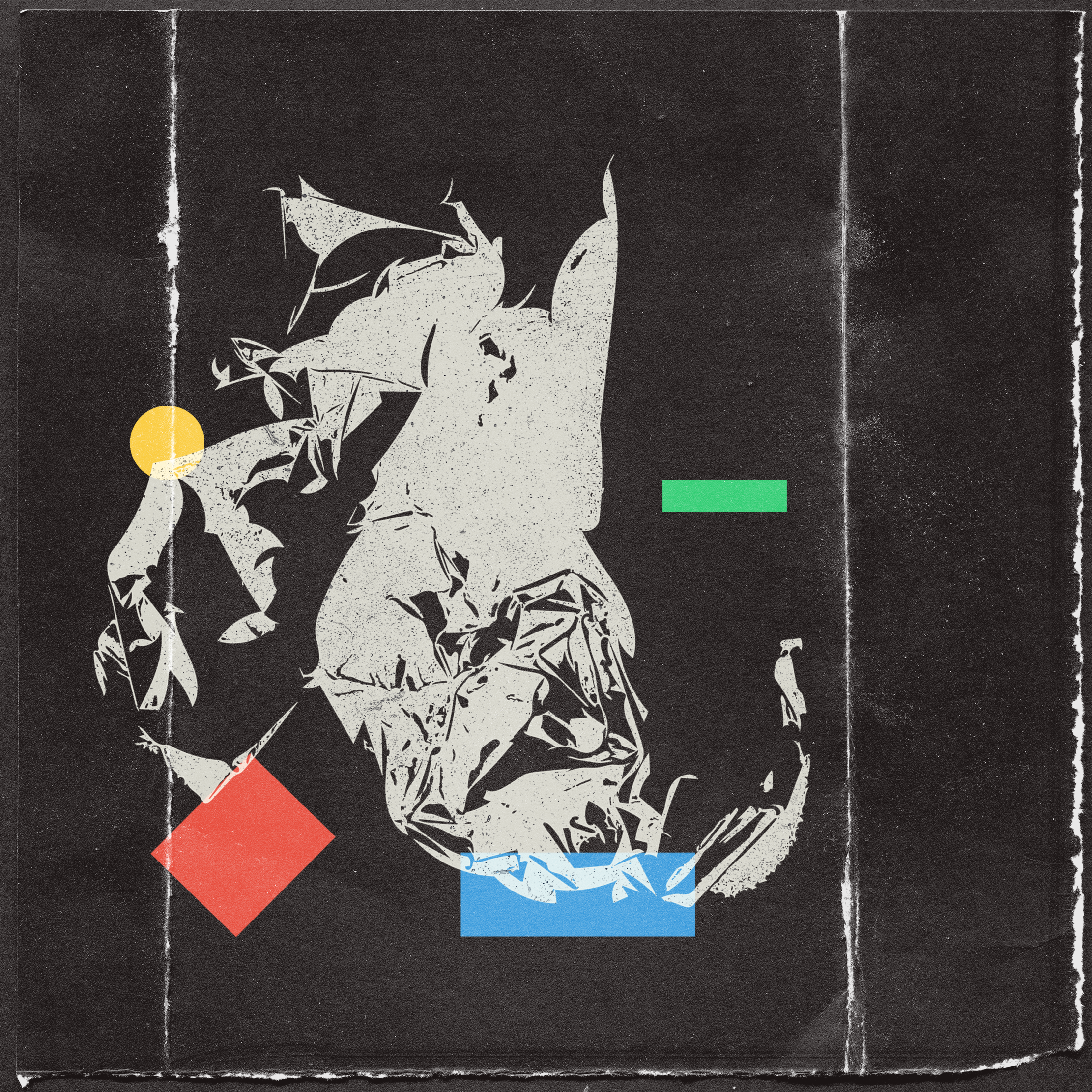
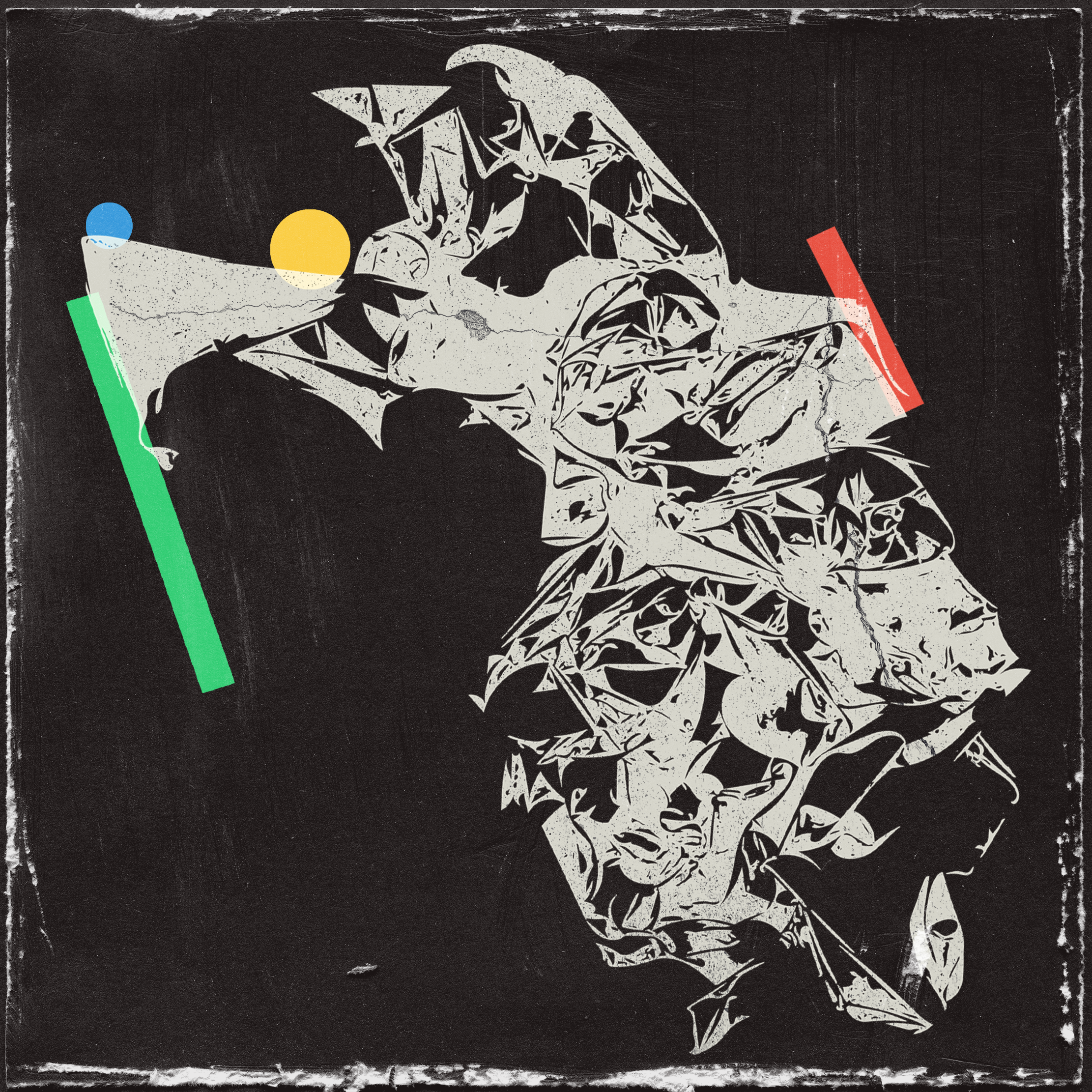
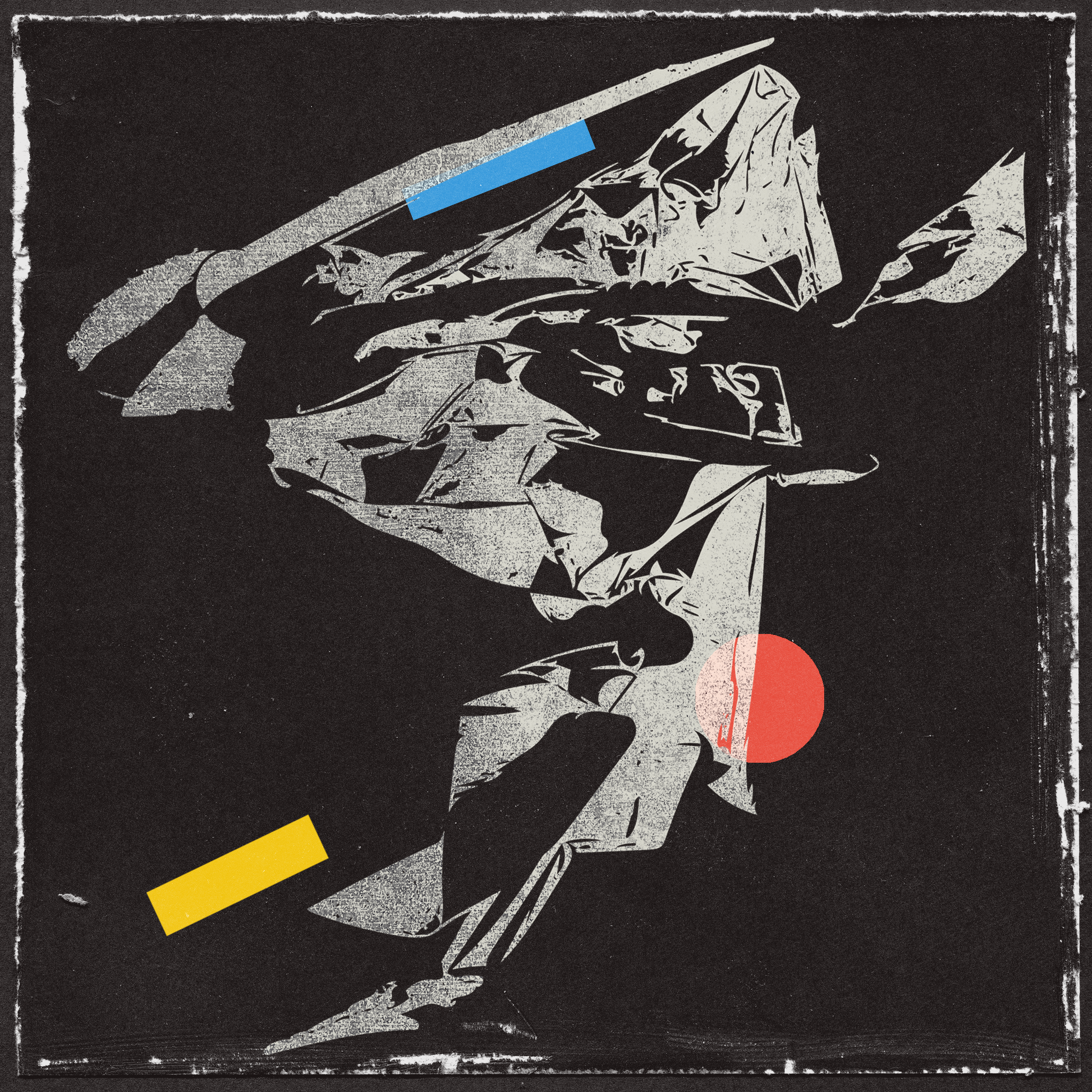
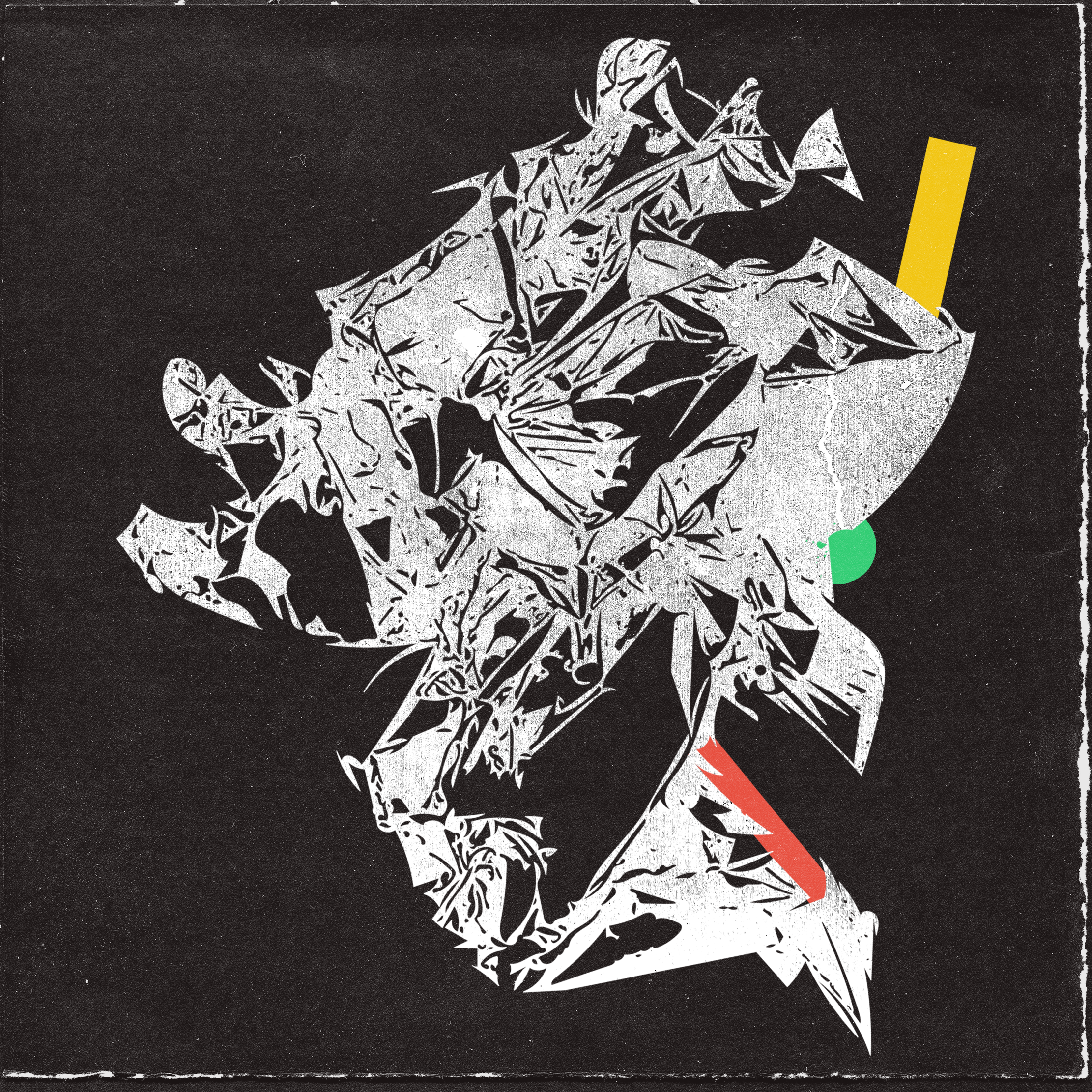
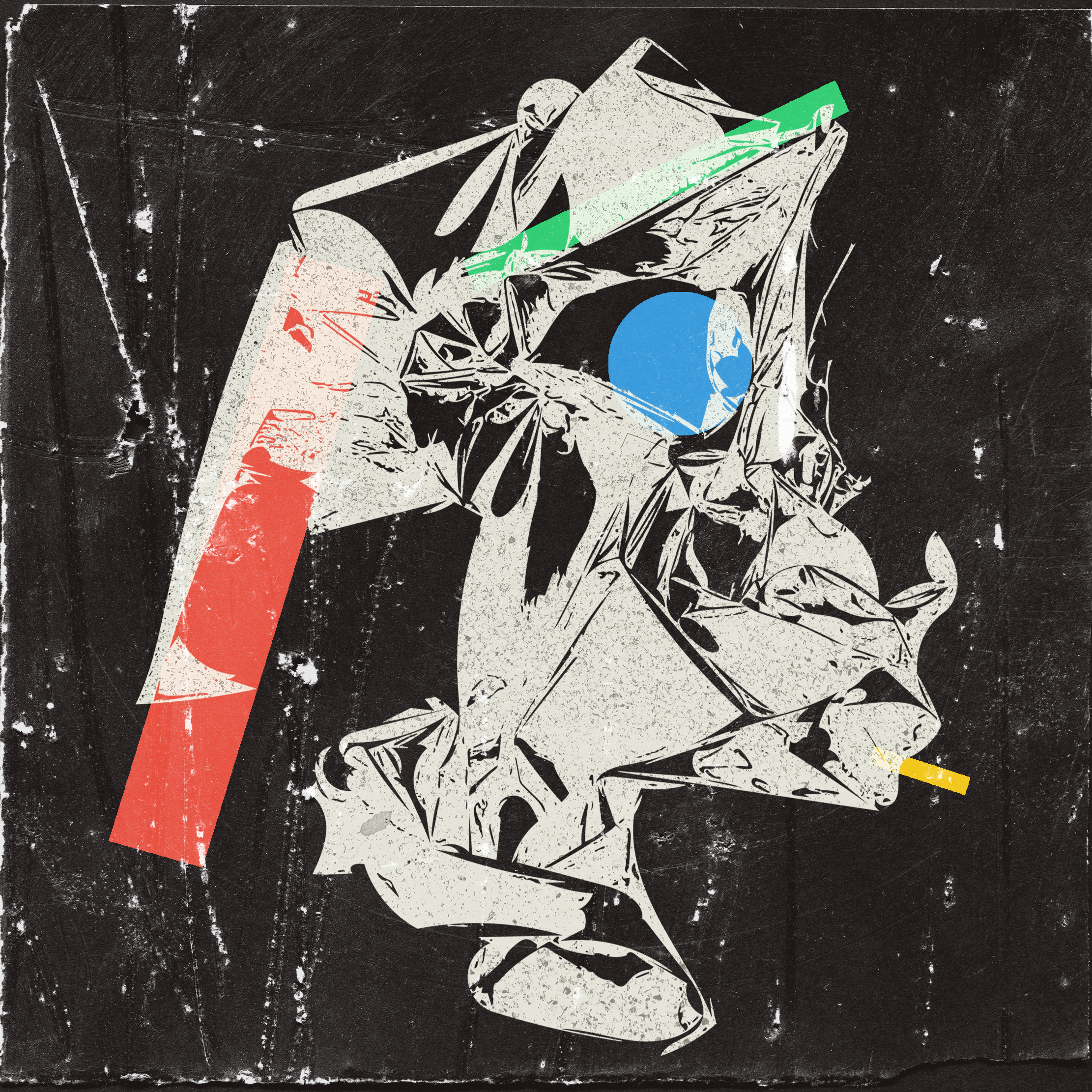
This series explores the contrast between completely randomized and complex organic shapes versus bright geometry. The use of aluminium foils allows for truly randomized patterns and shapes to be created while working in analog.
Core constraints are established: pieces use negative color palette variants from the main collection, but here the process becomes more systematic. Instead of fine-tuning until seeing something, the rule is simple; isolate the largest contiguous shape from the foil photograph, then decorate with circles or rectangles in four colors until the composition tells a story.
The visual restraint mirrors the methodological restraint; no fine-tuning, no searching for recognizable objects, just system adherence.
This marks the transition from finding forms to imposing structure. The organic chaos of crumpled foil meets rigid geometric constraints, creating tension between material randomness and compositional control.
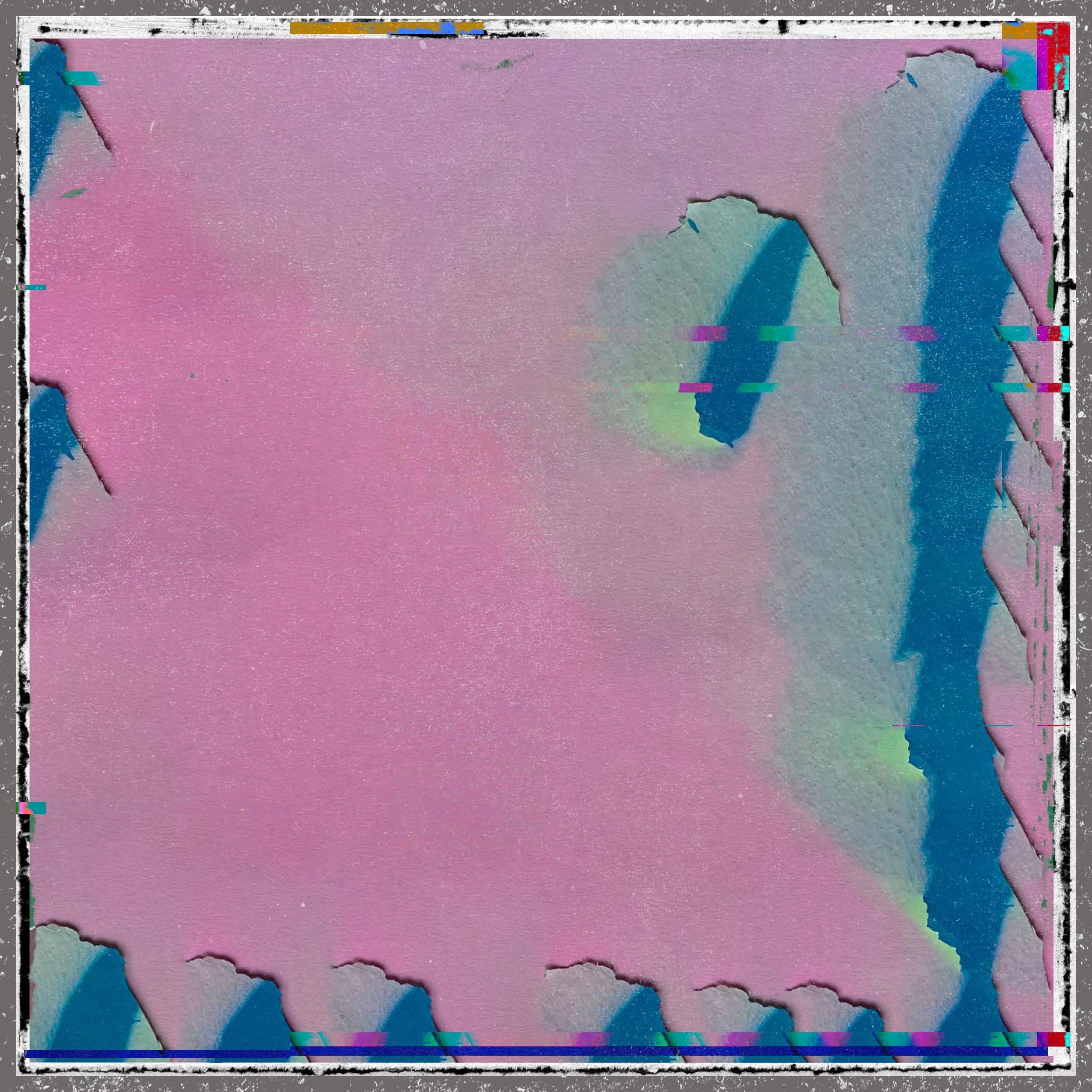
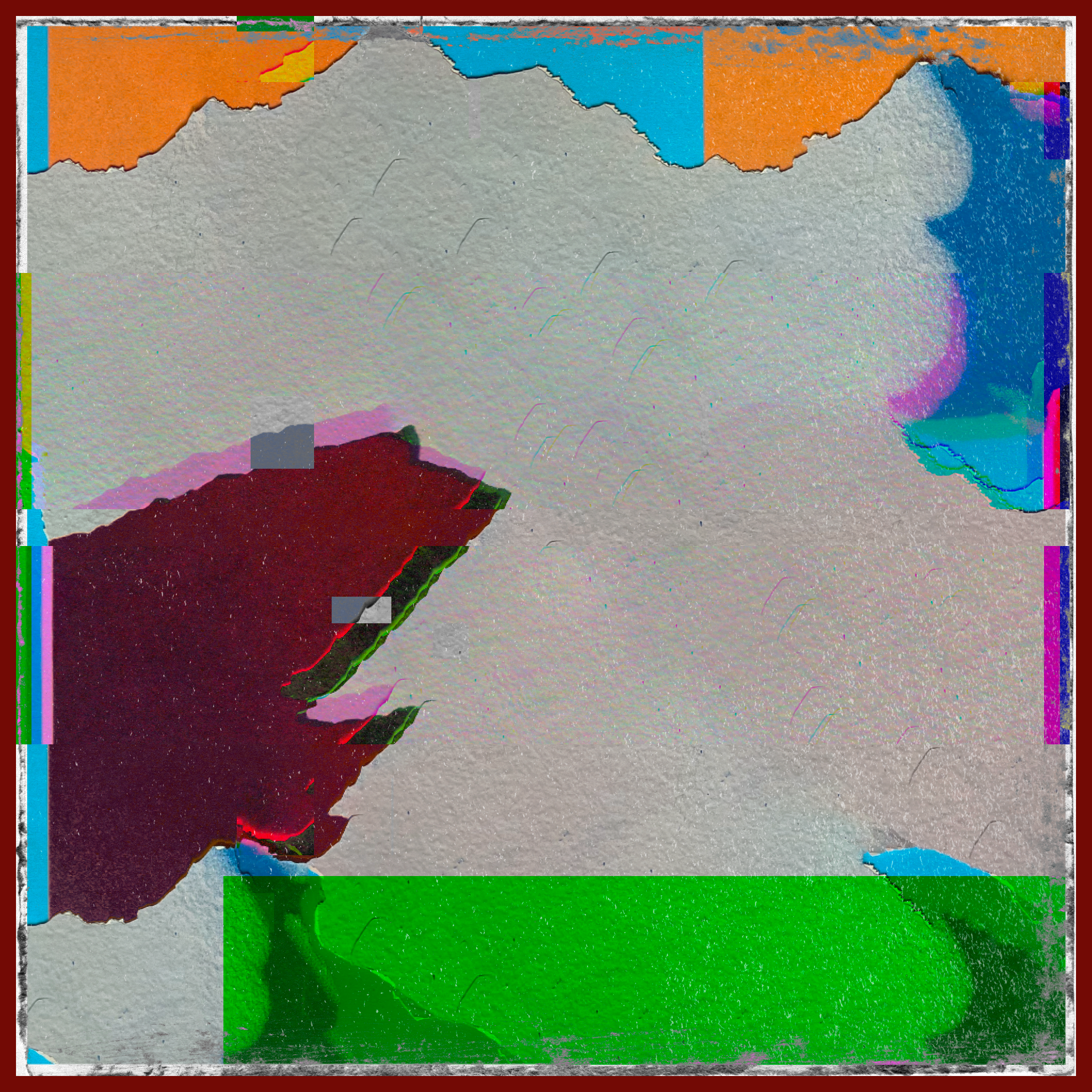
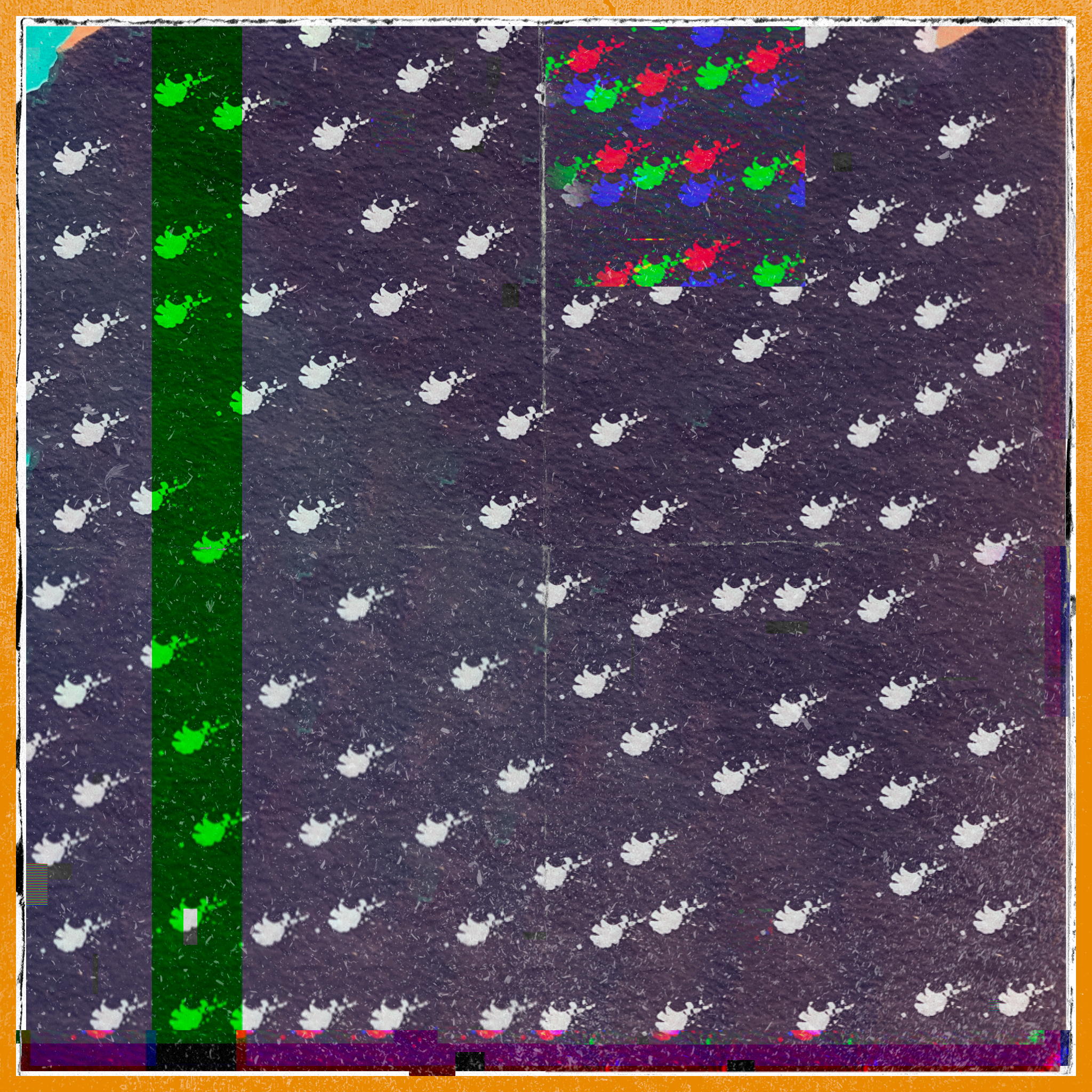
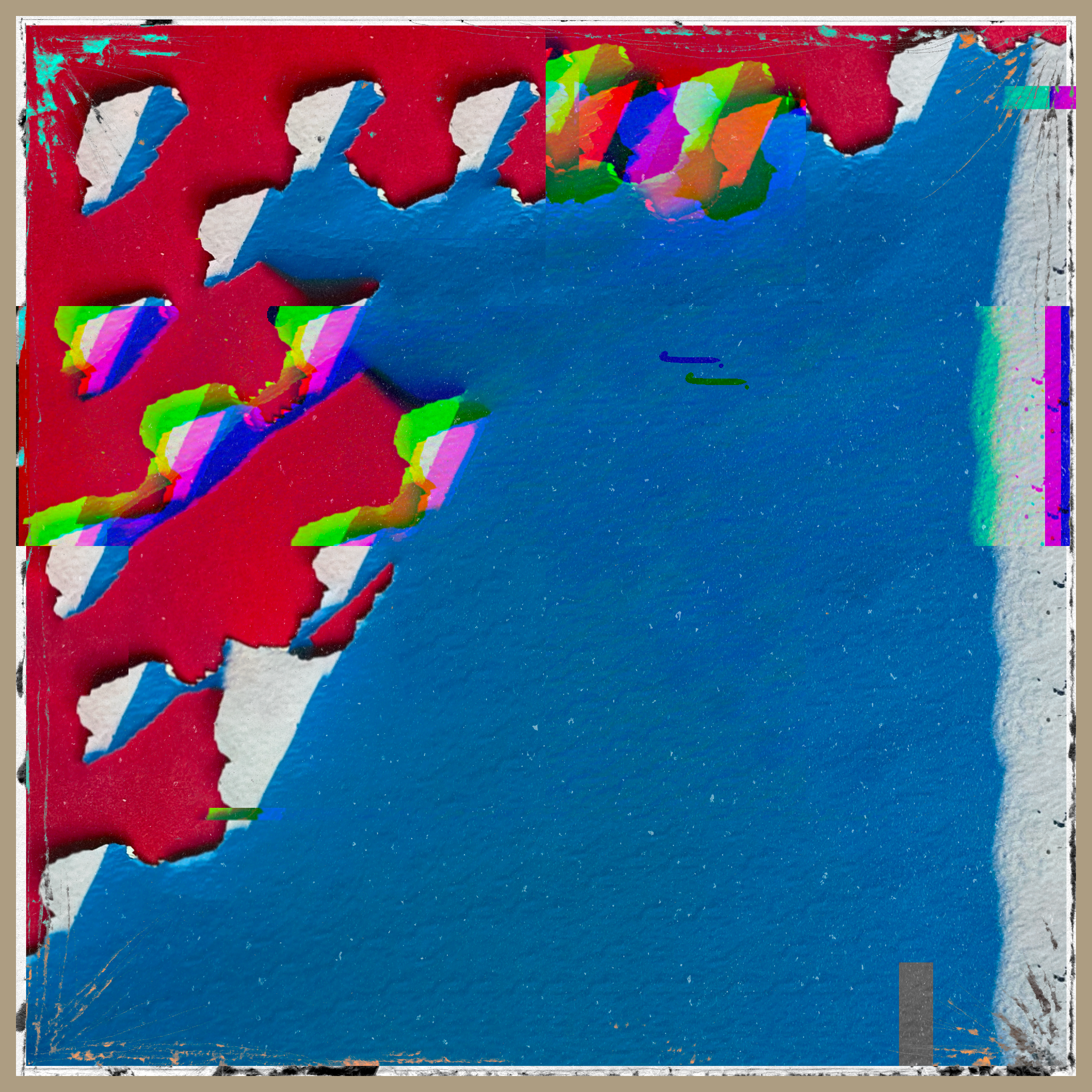
Discovery Foils
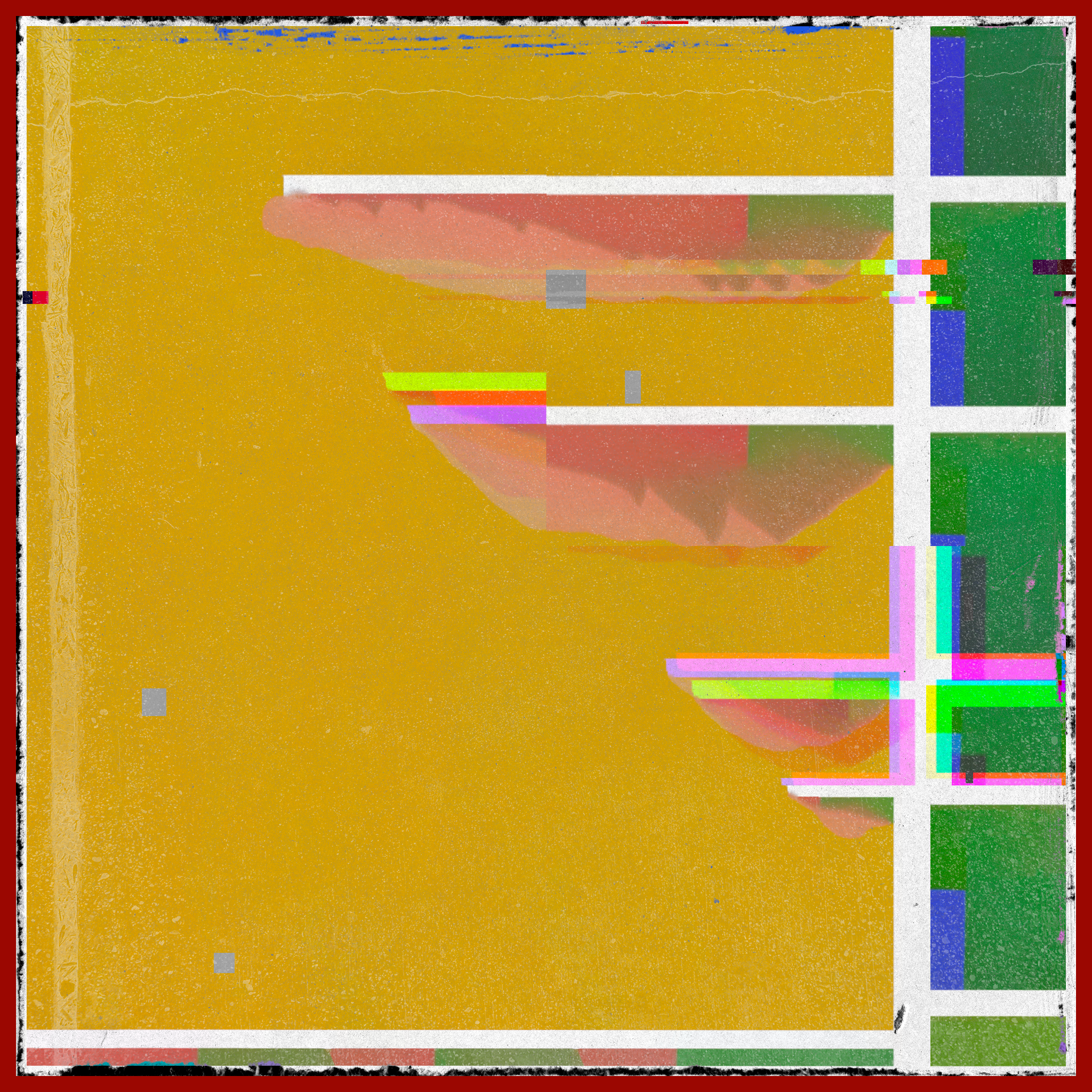
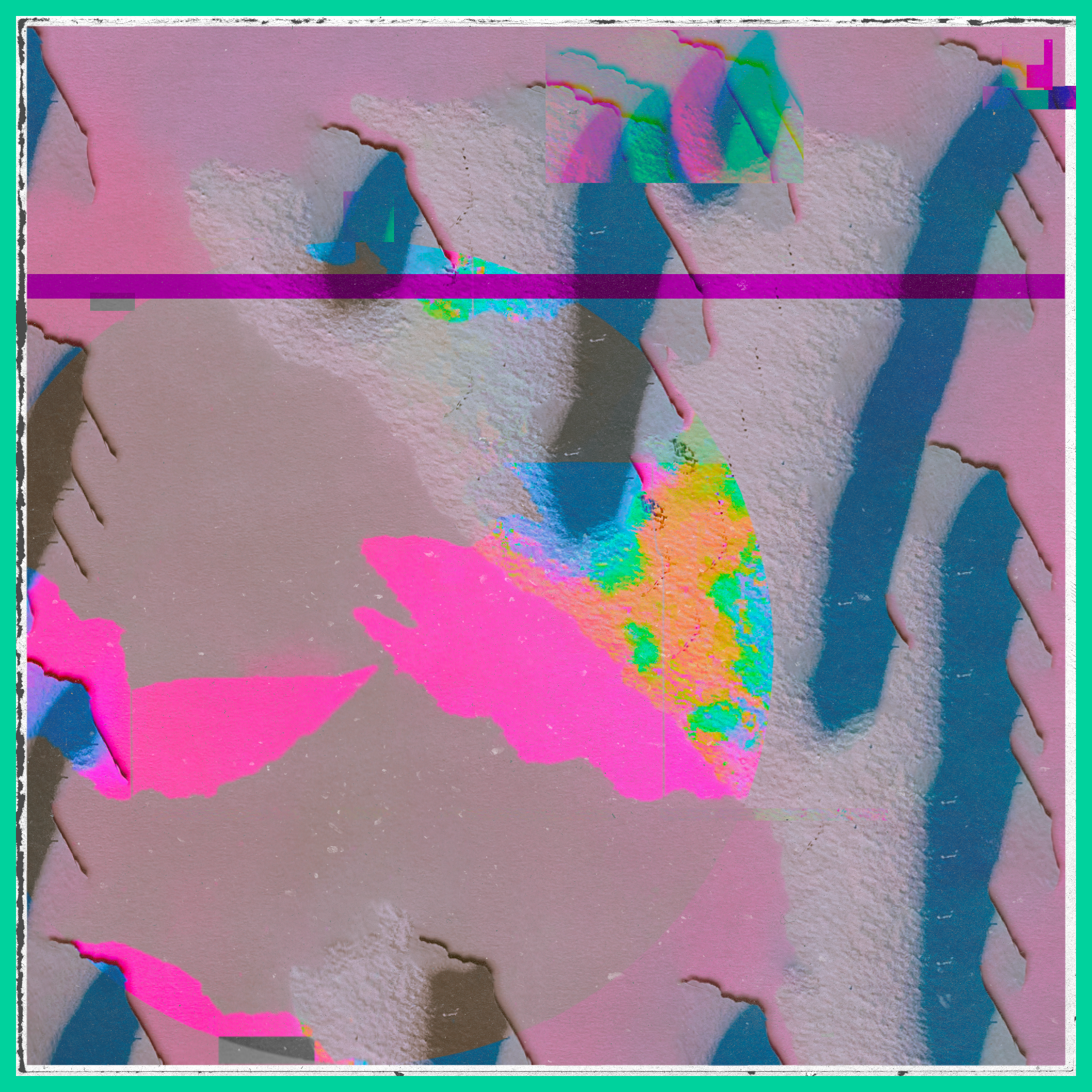
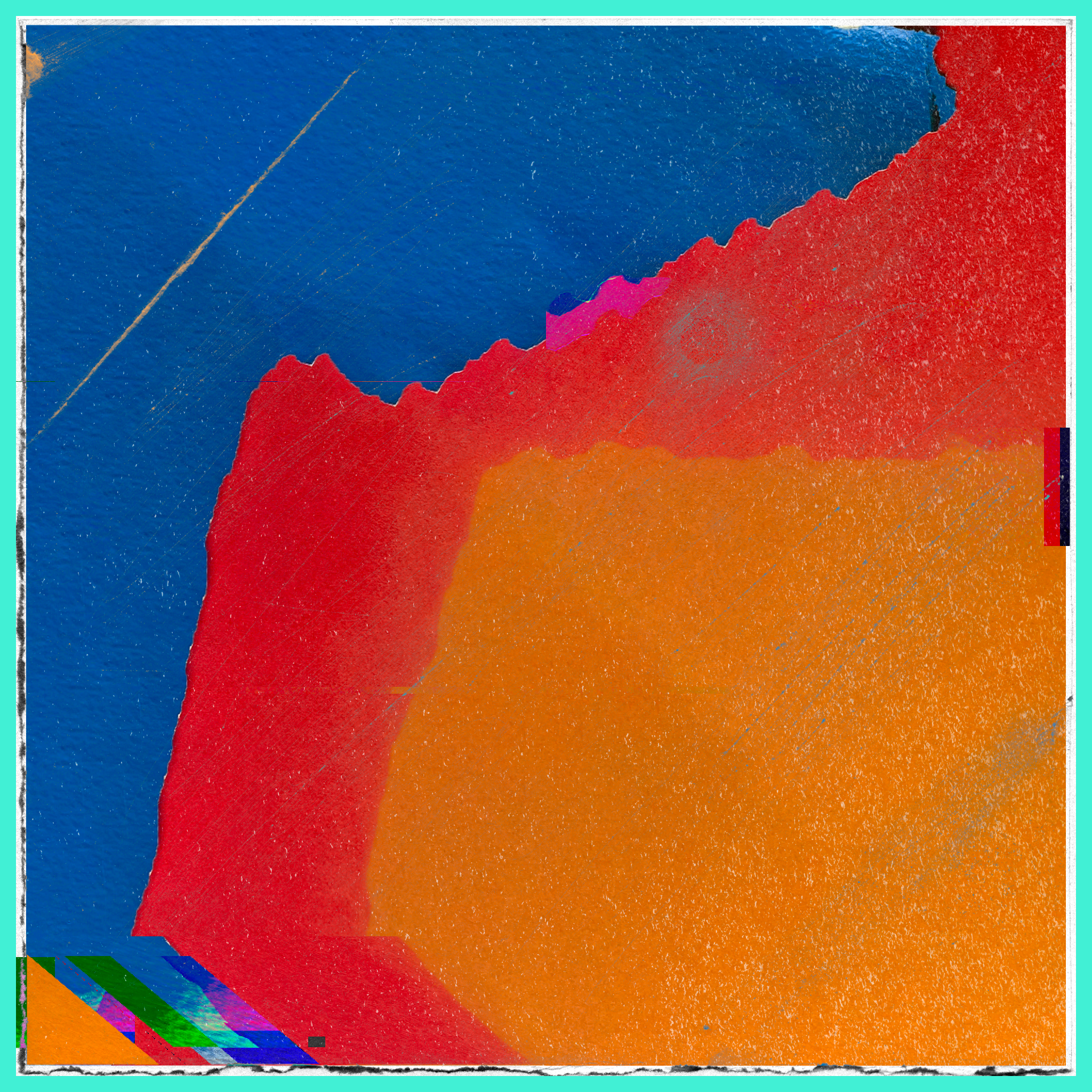
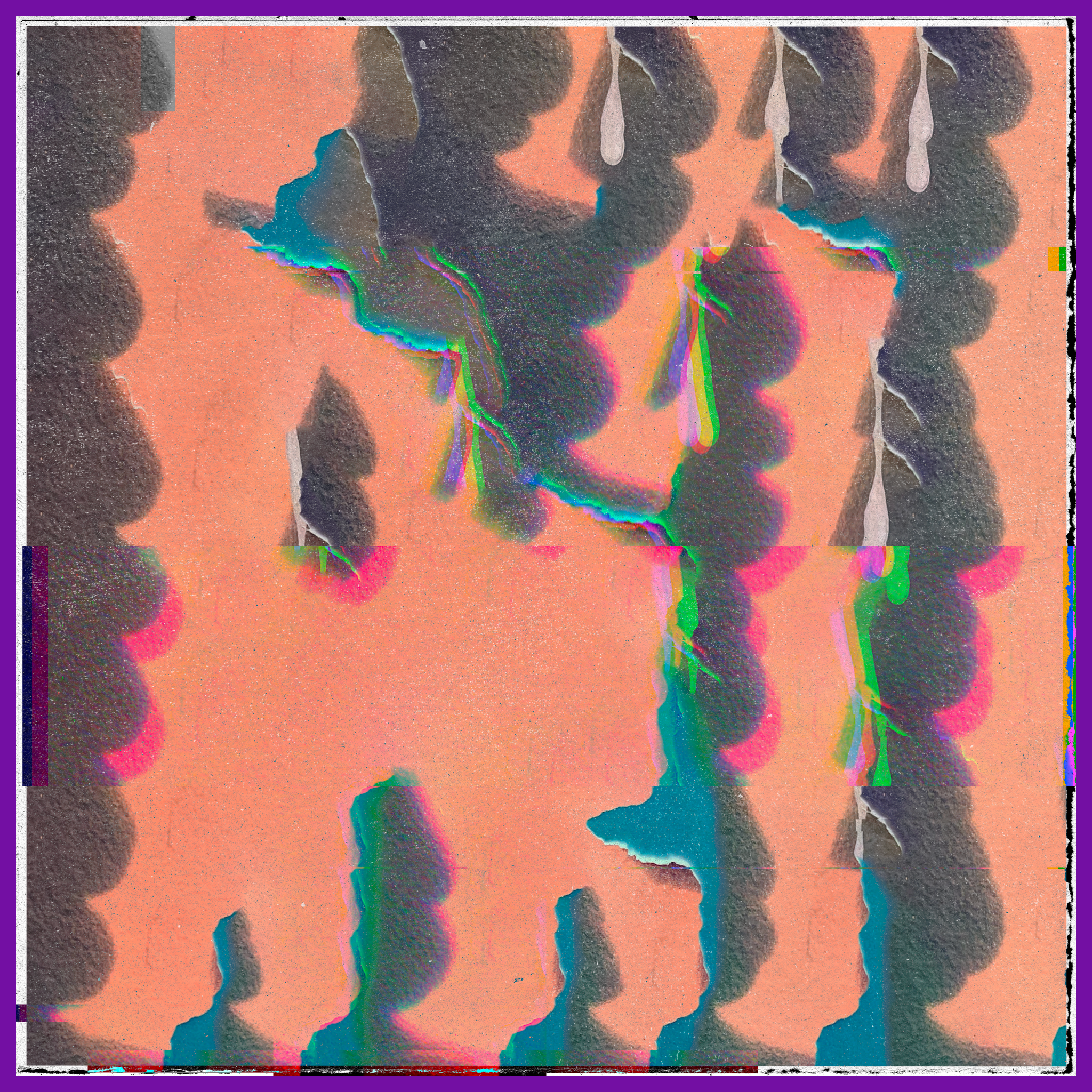
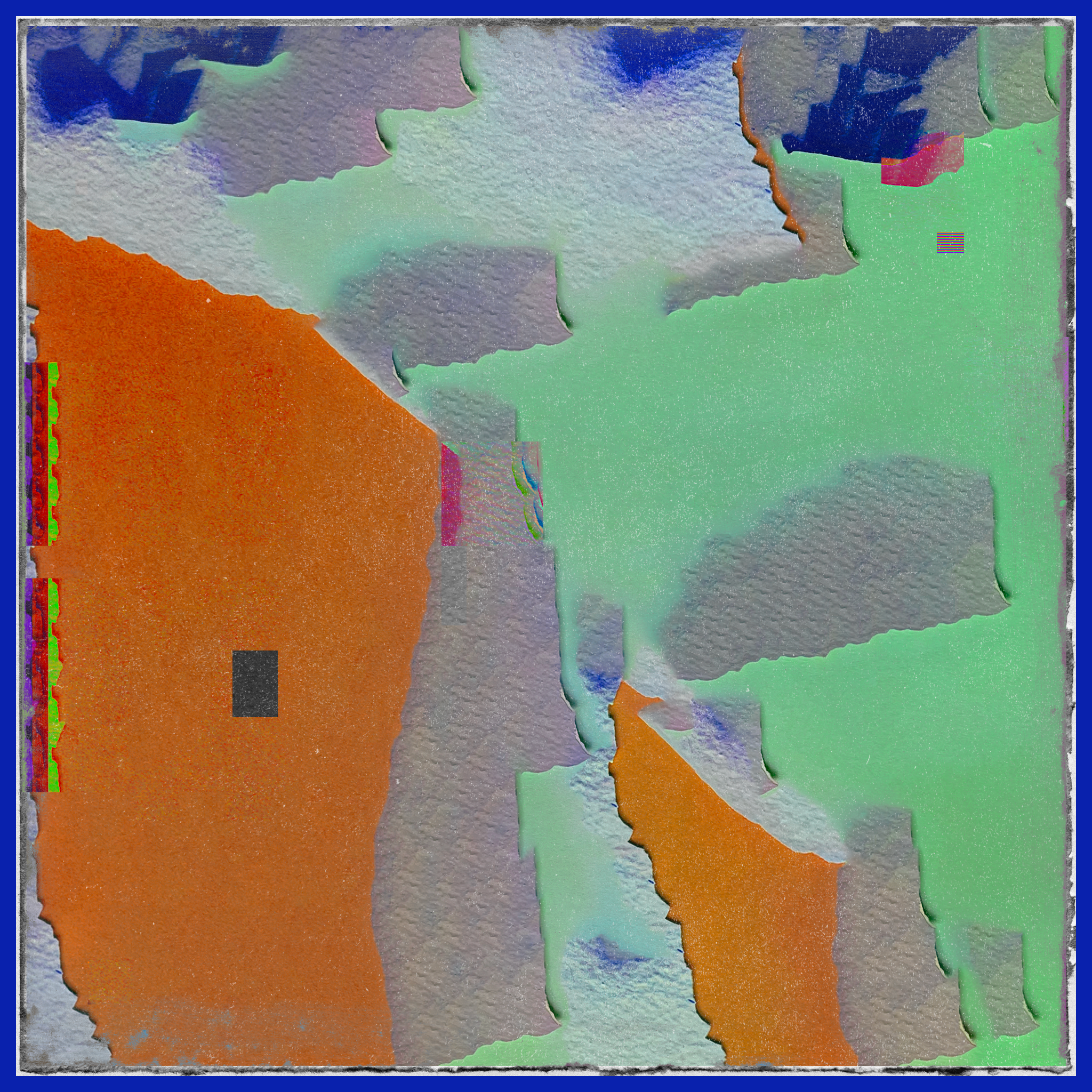
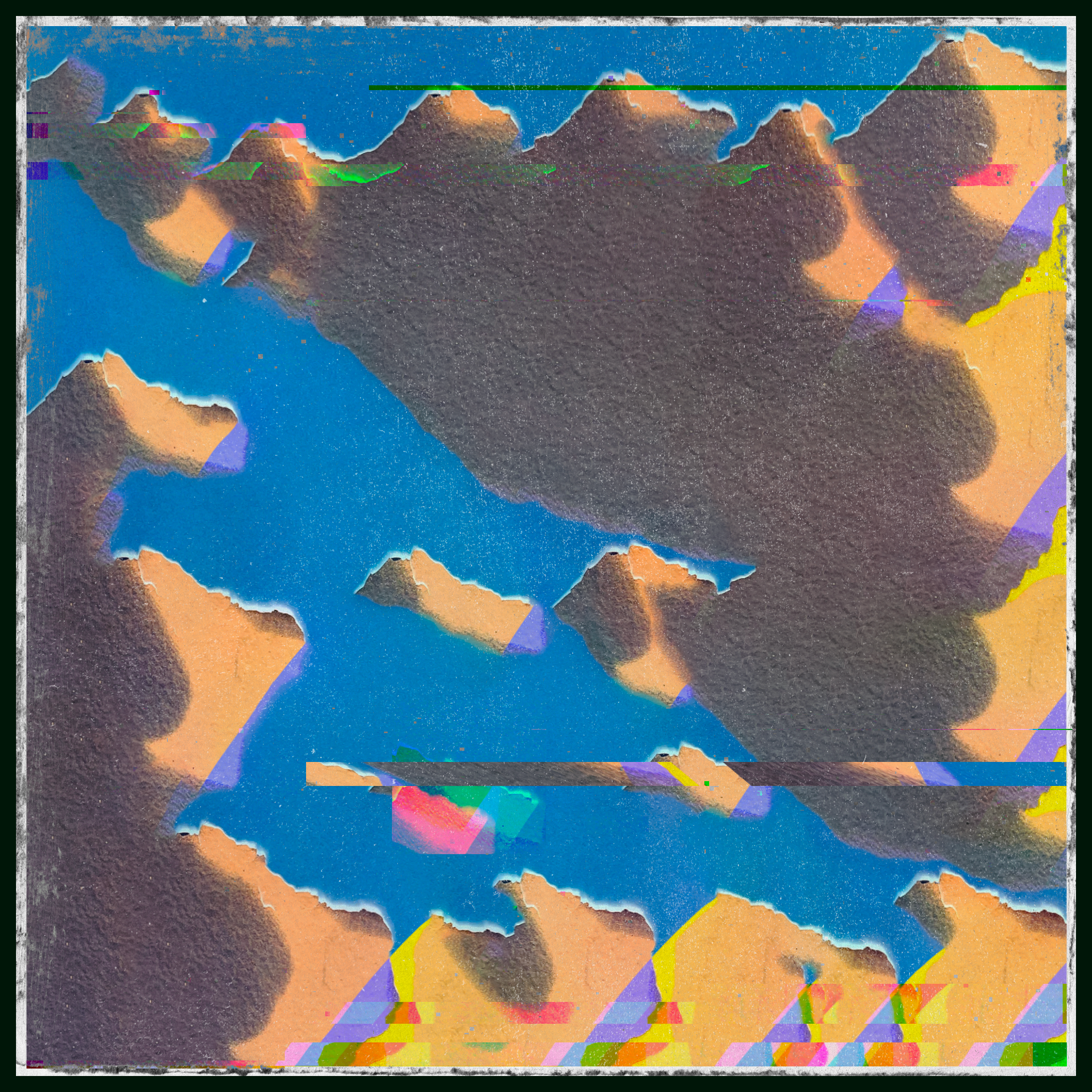
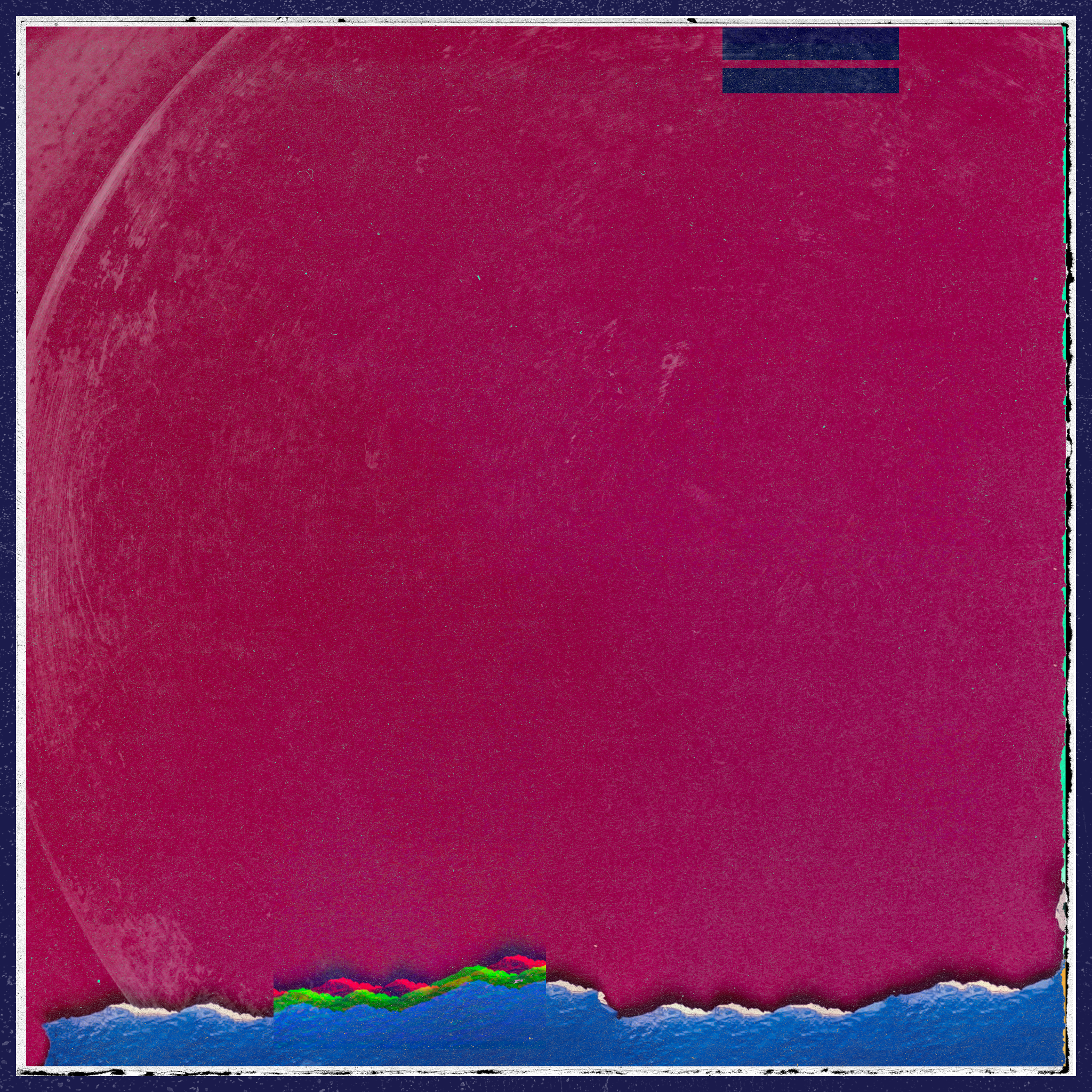
The most chaotic and densely layered collection in the series. Compositions accumulate material history visibly; wall texture, torn surfaces, paint overspray, and AI-generated bridging elements pile into frames where every layer leaves a trace. Architectural decay meets digital synthesis. Where other collections isolate variables, this one collects them.
Titled after Daft Punk's Discovery album: 14 pieces, one per track. The album played throughout production and ended up organizing time as much as anything else. The collection size isn't incidental; it's structural.
An exploration of human play in AI-assisted creative processes, alternating between analog and digital in the most generative parts of production.
Moving Picture Foils
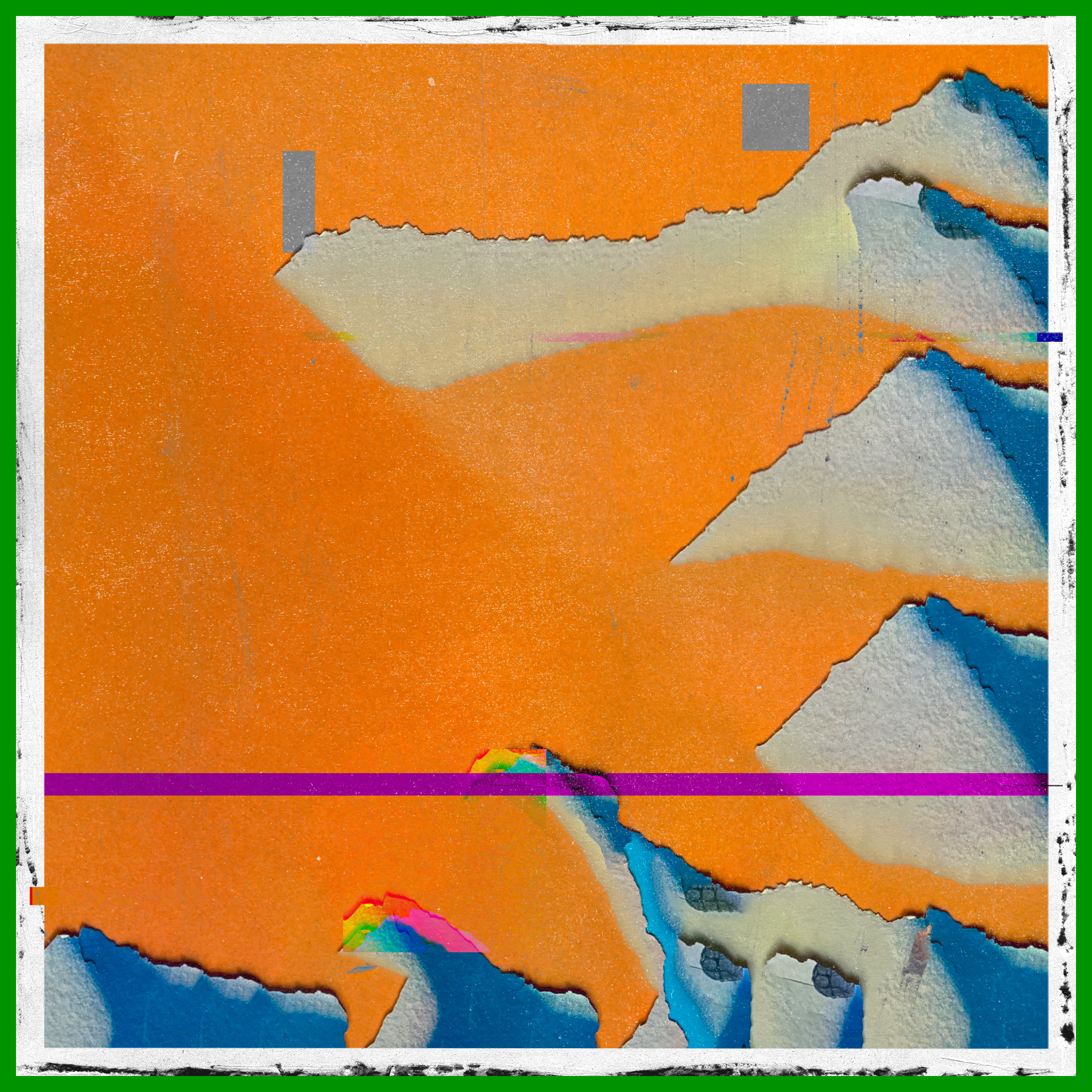
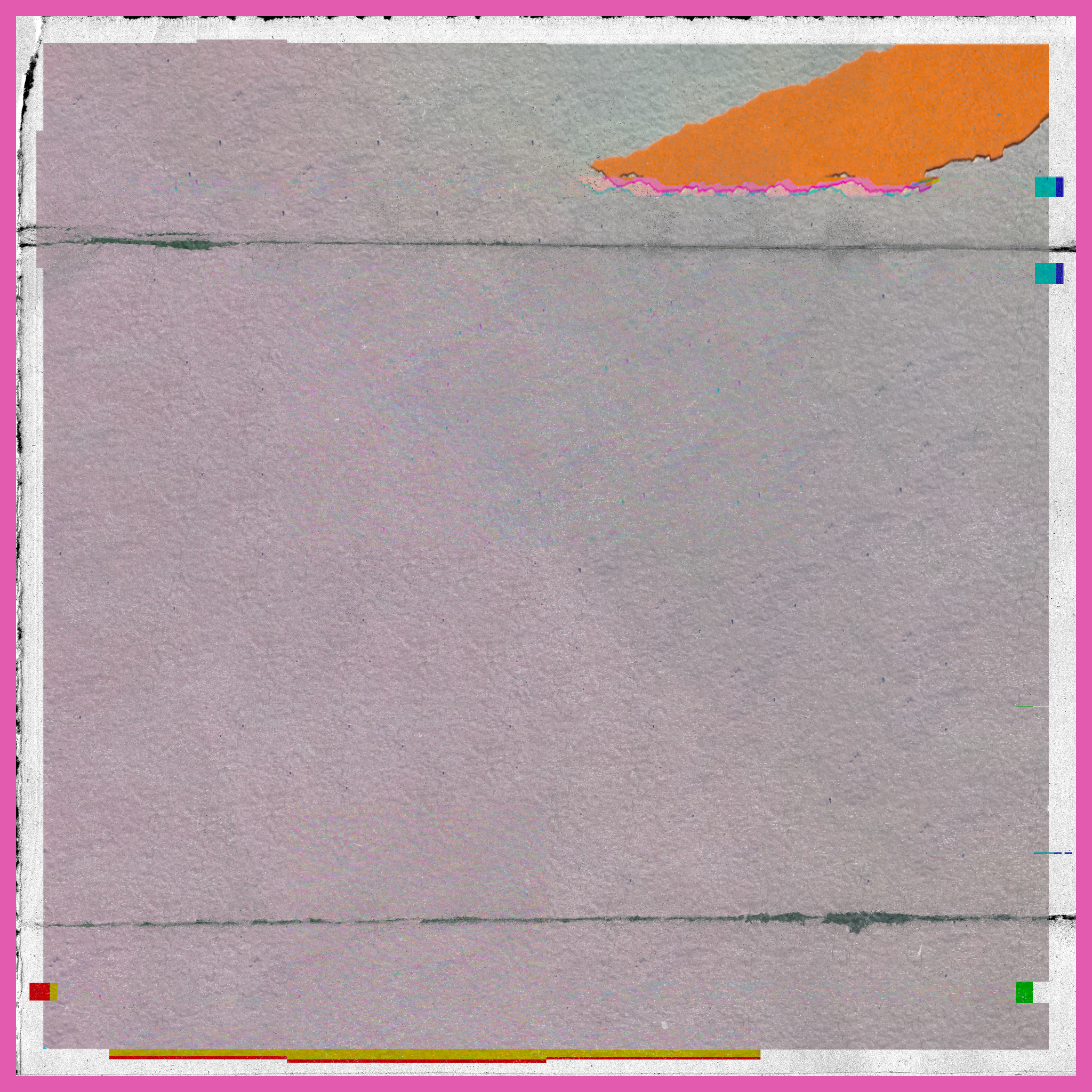
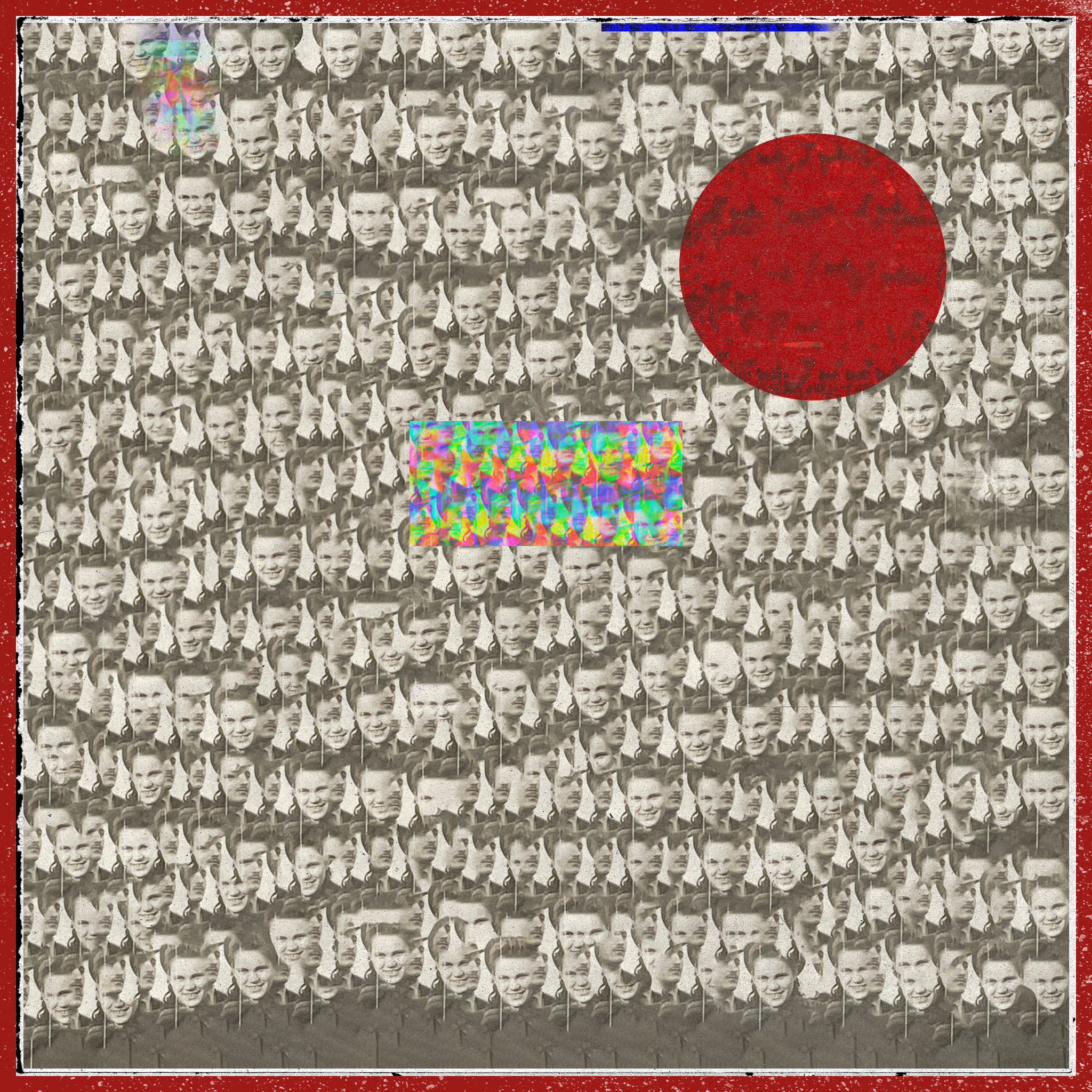
Further exploring human play in AI-assisted creative processes, with the same alternating methodology applied to a different material register.
Where Discovery Foils is confrontational, Moving Picture Foils is intimate.
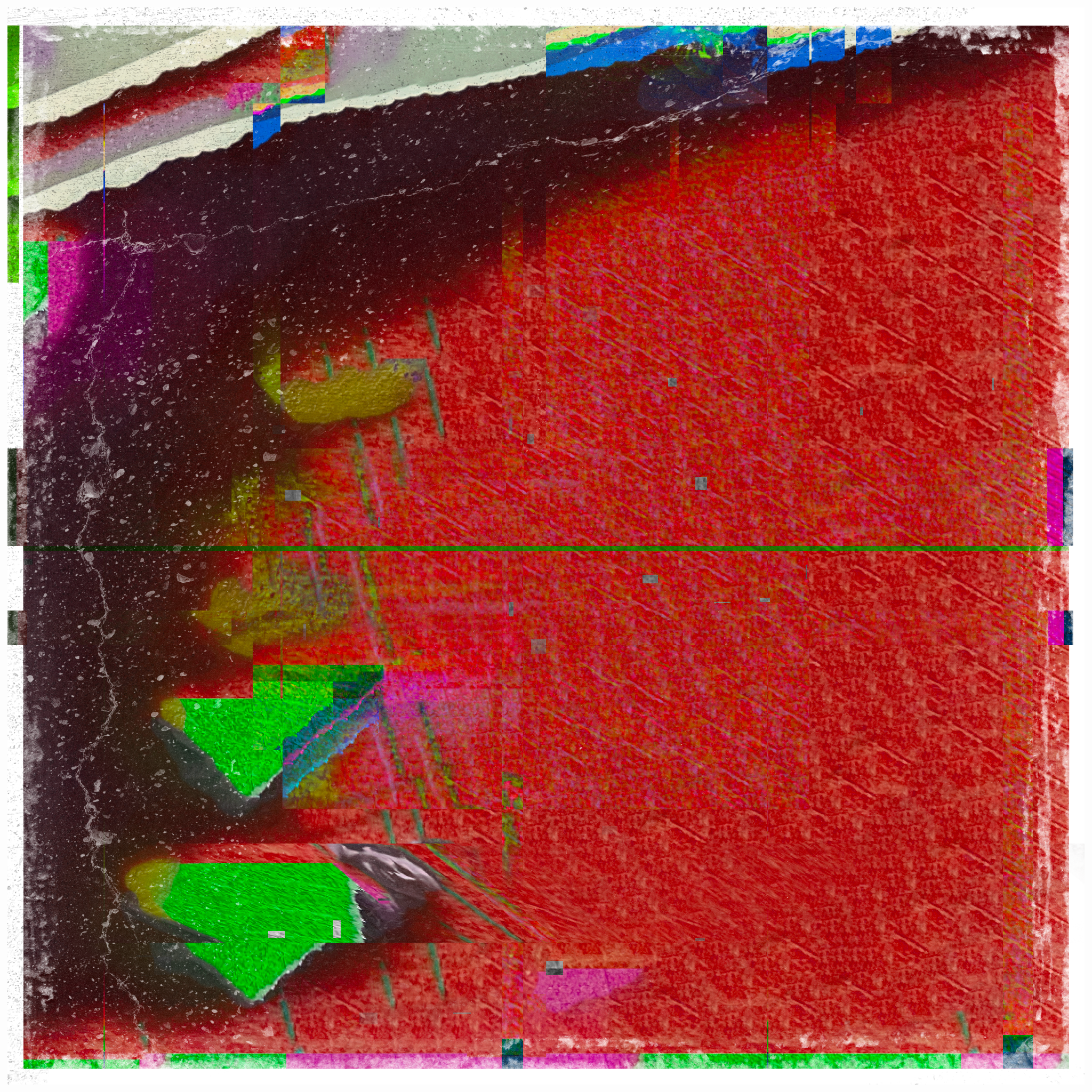
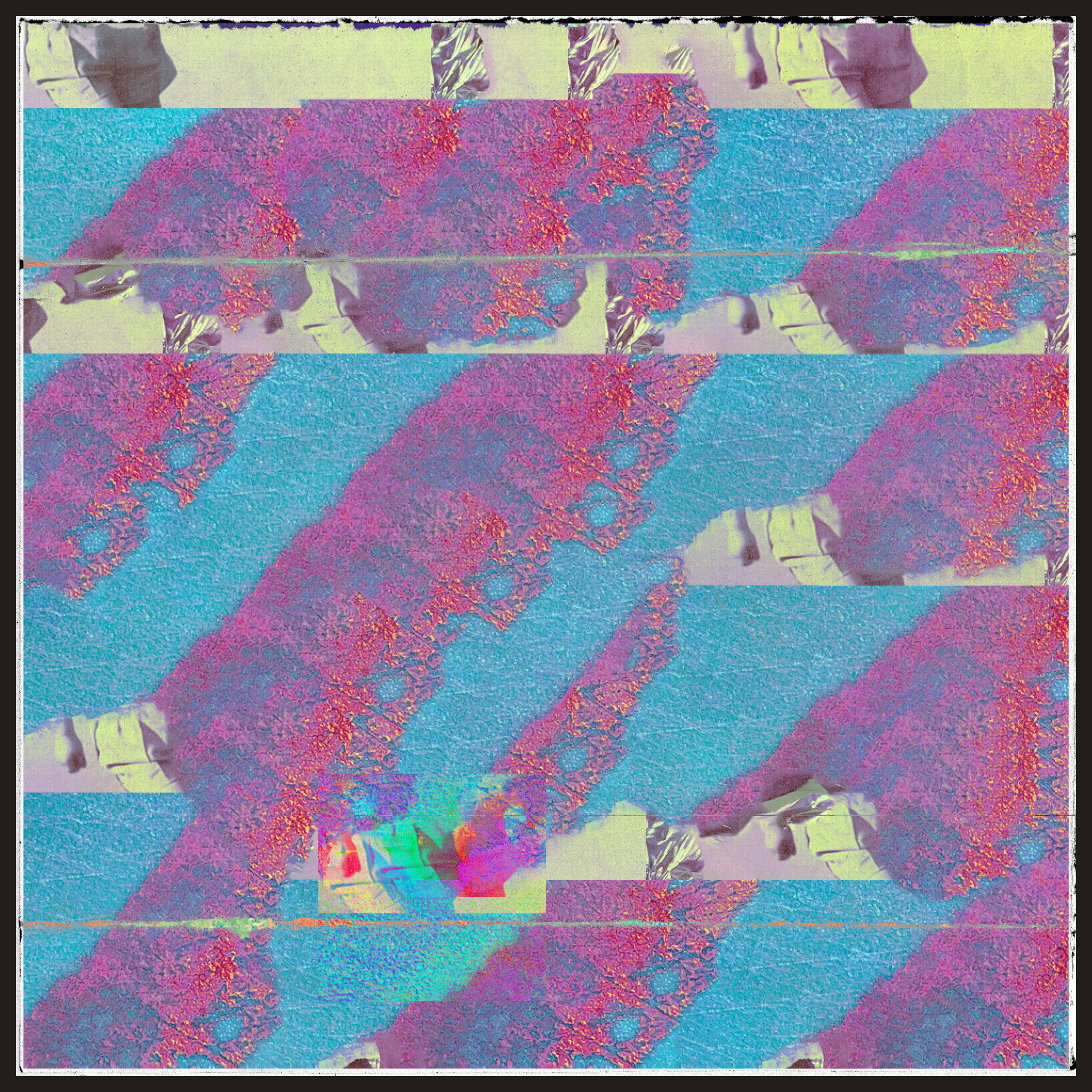
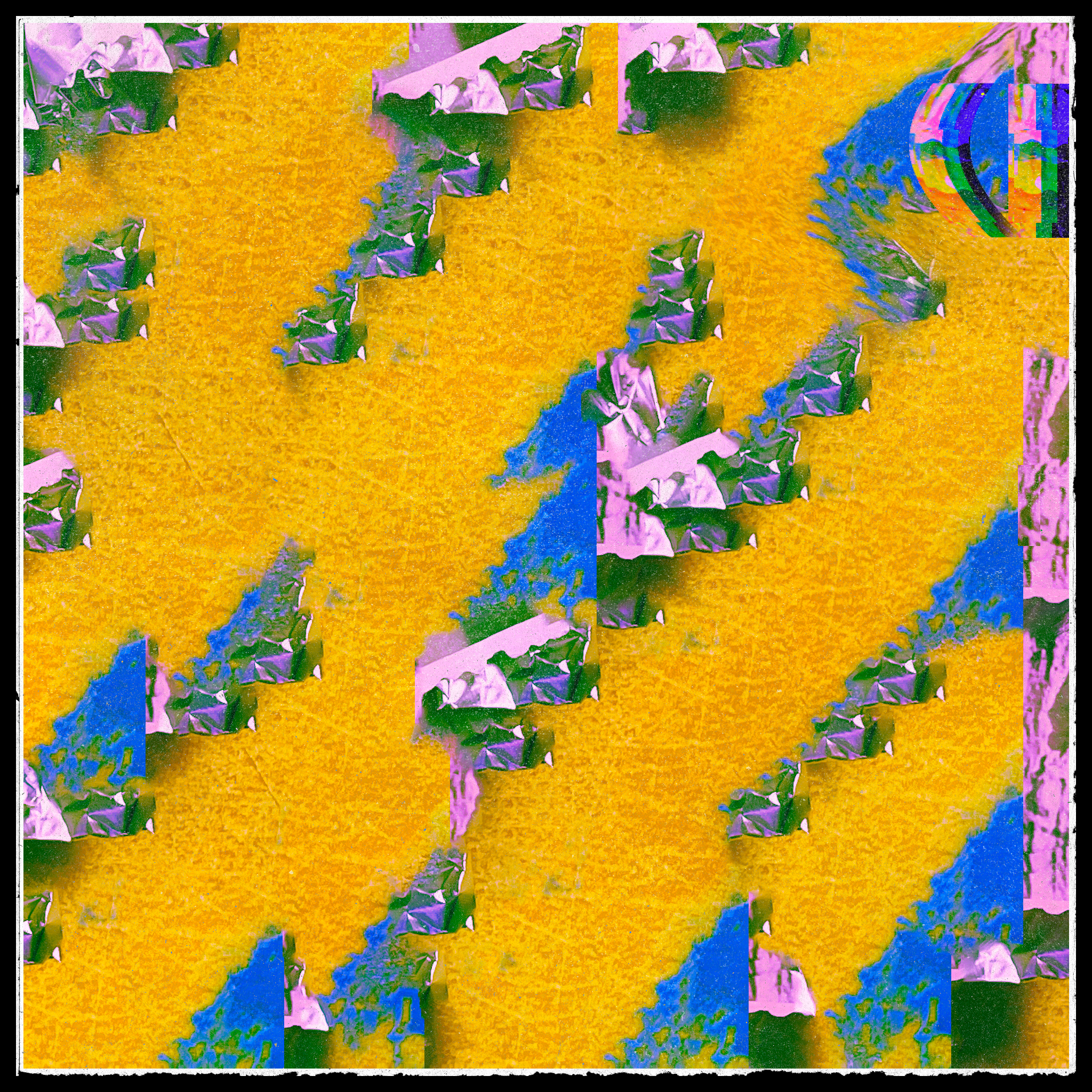
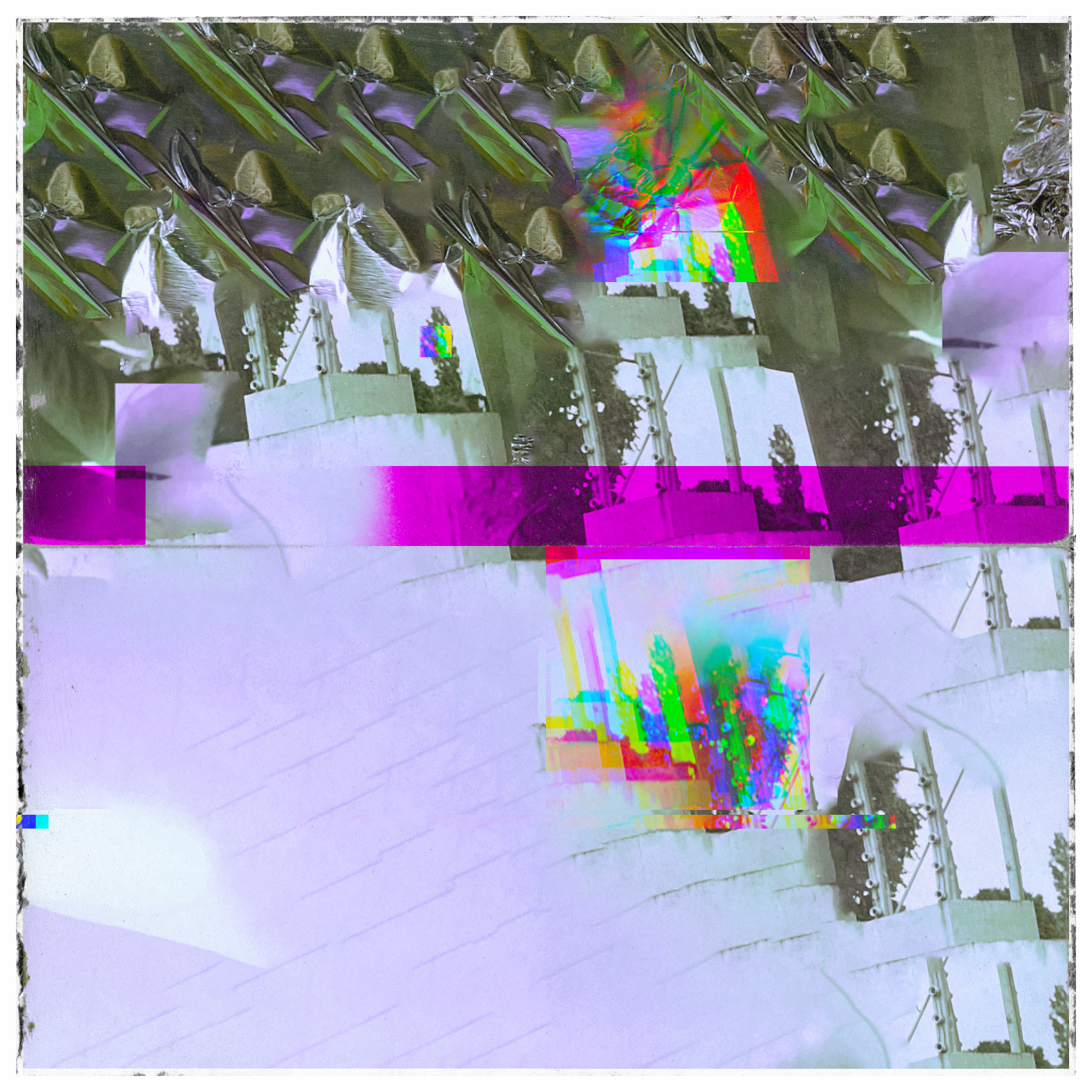
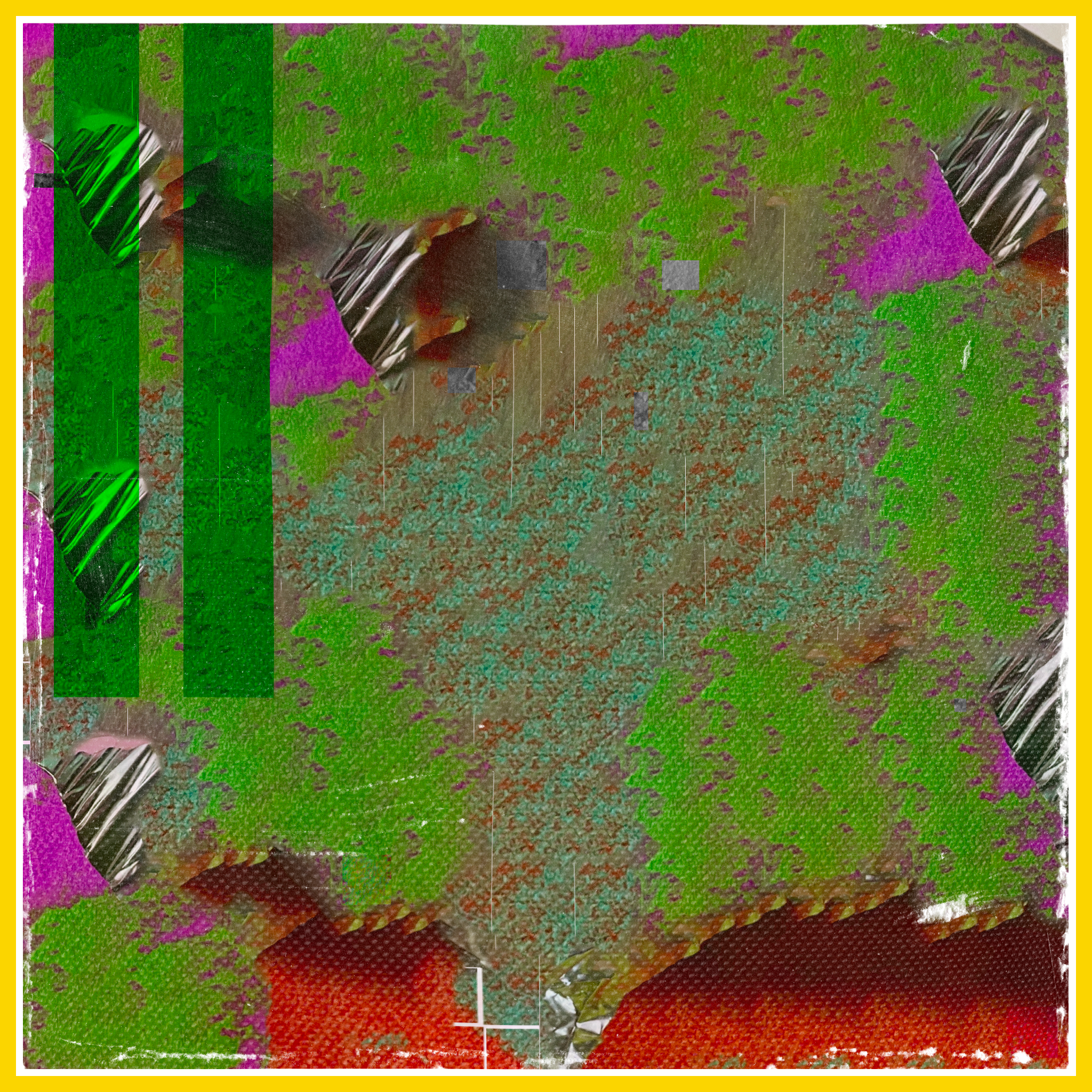
Assembled from junk shop photographs, desk stationery, and foil arranged on flat surfaces, then processed digitally. The compositions feel like arranged memories: controlled but slightly unstable, formal but personal. Familiar materials in unfamiliar proximity.
Titled after Rush's Moving Pictures: 7 pieces, one per track. Same structural logic as Discovery (album as container, tracks as titles) but quieter in tone. Seven pieces is a limited edition by design, not accident.
Sticker Foils
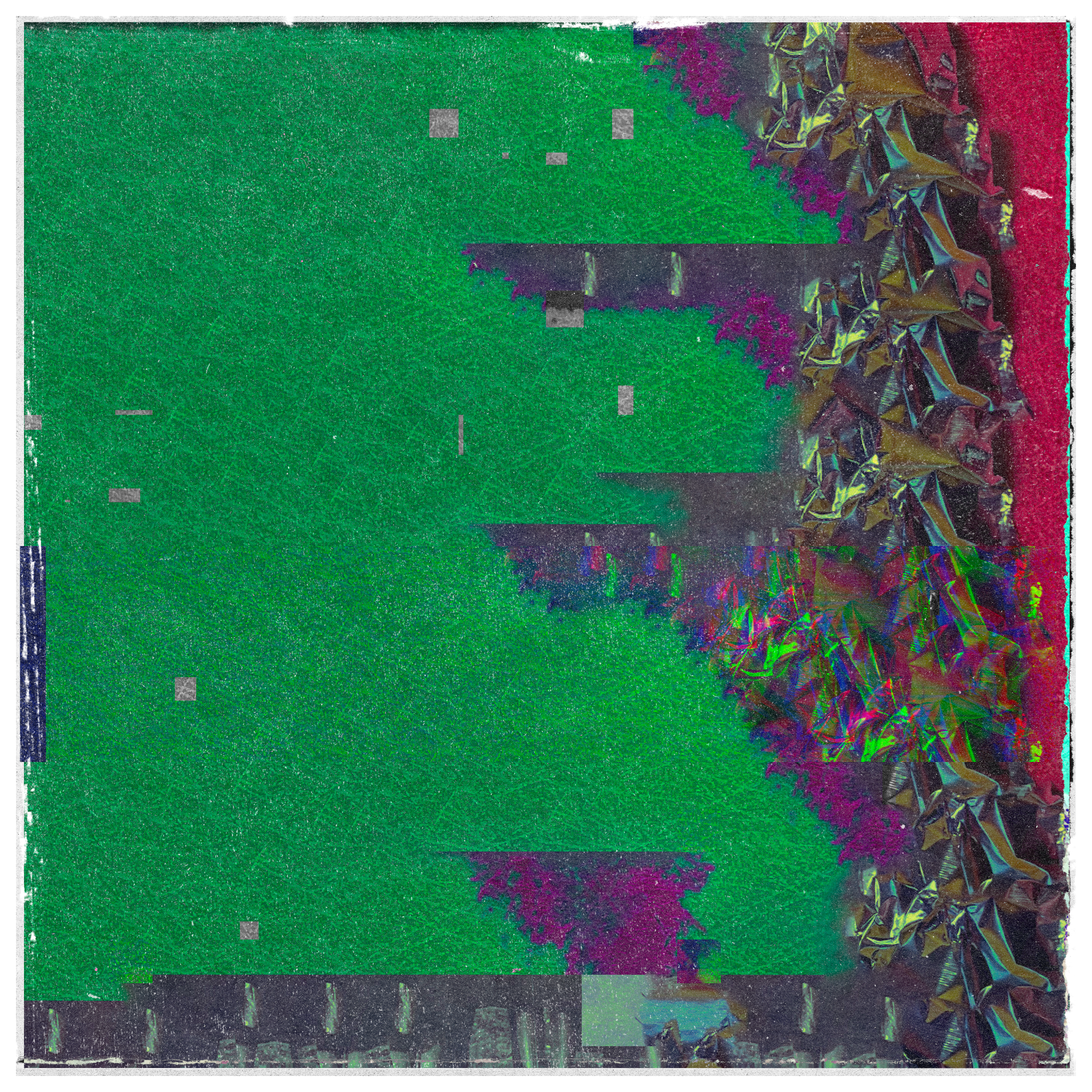
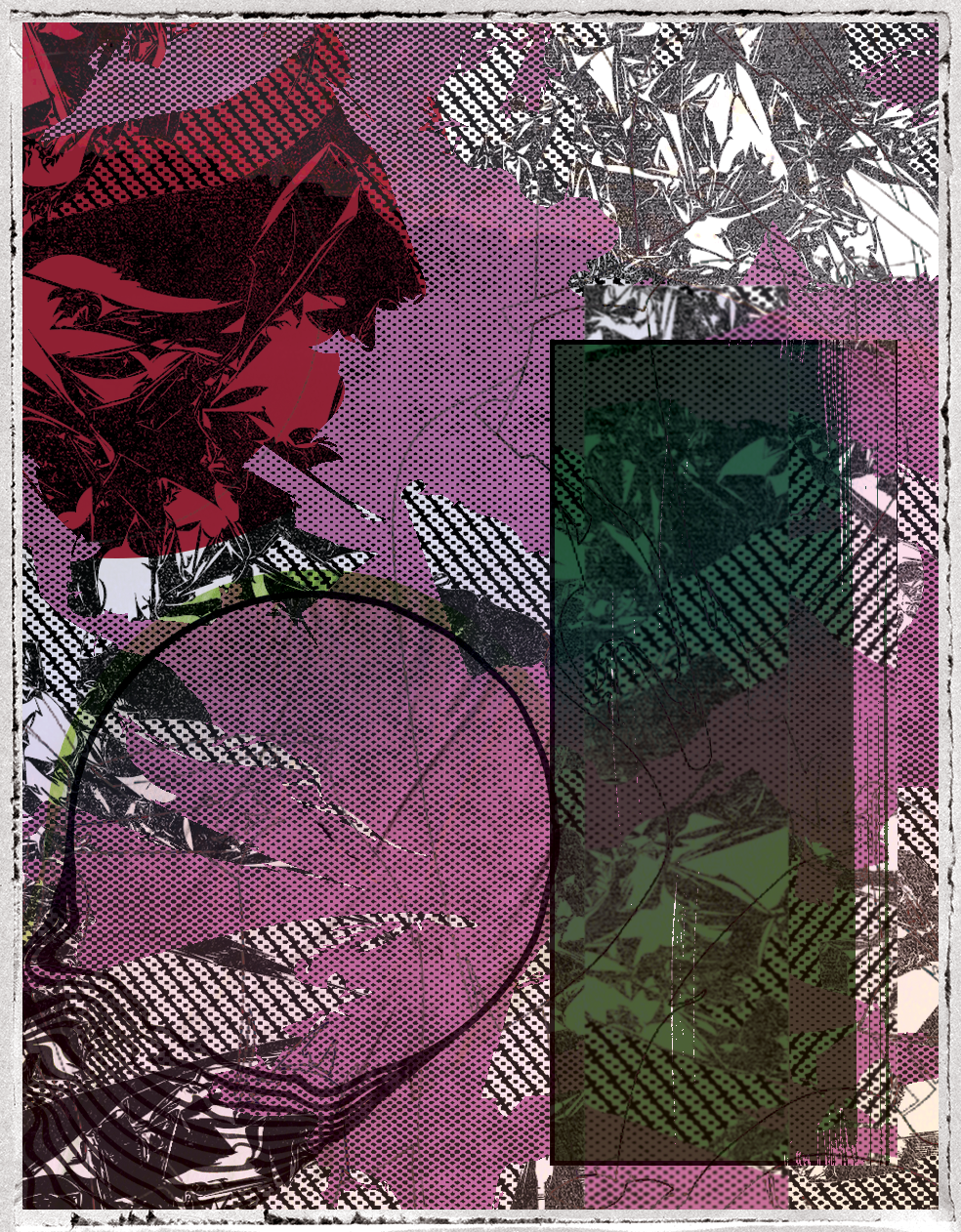
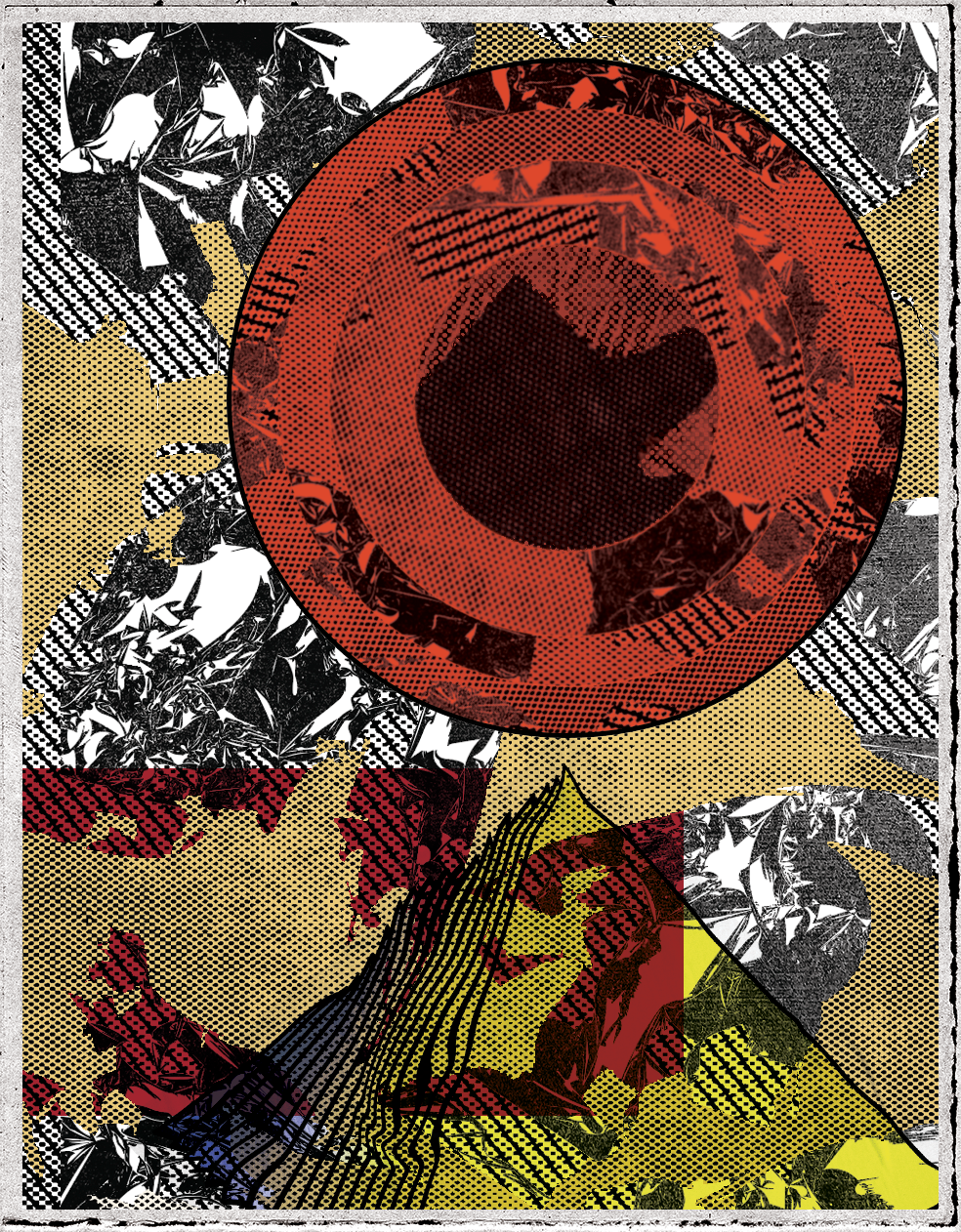
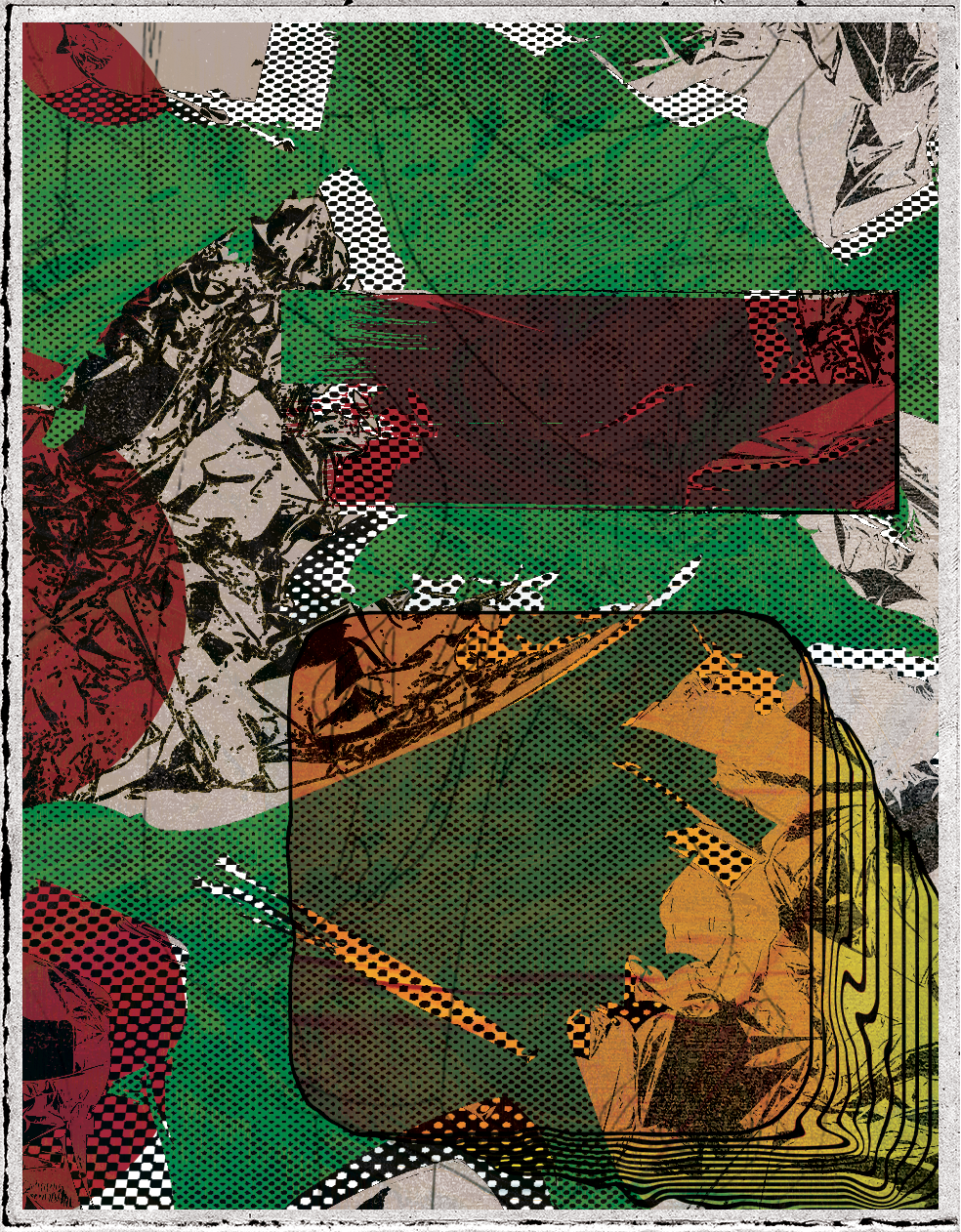
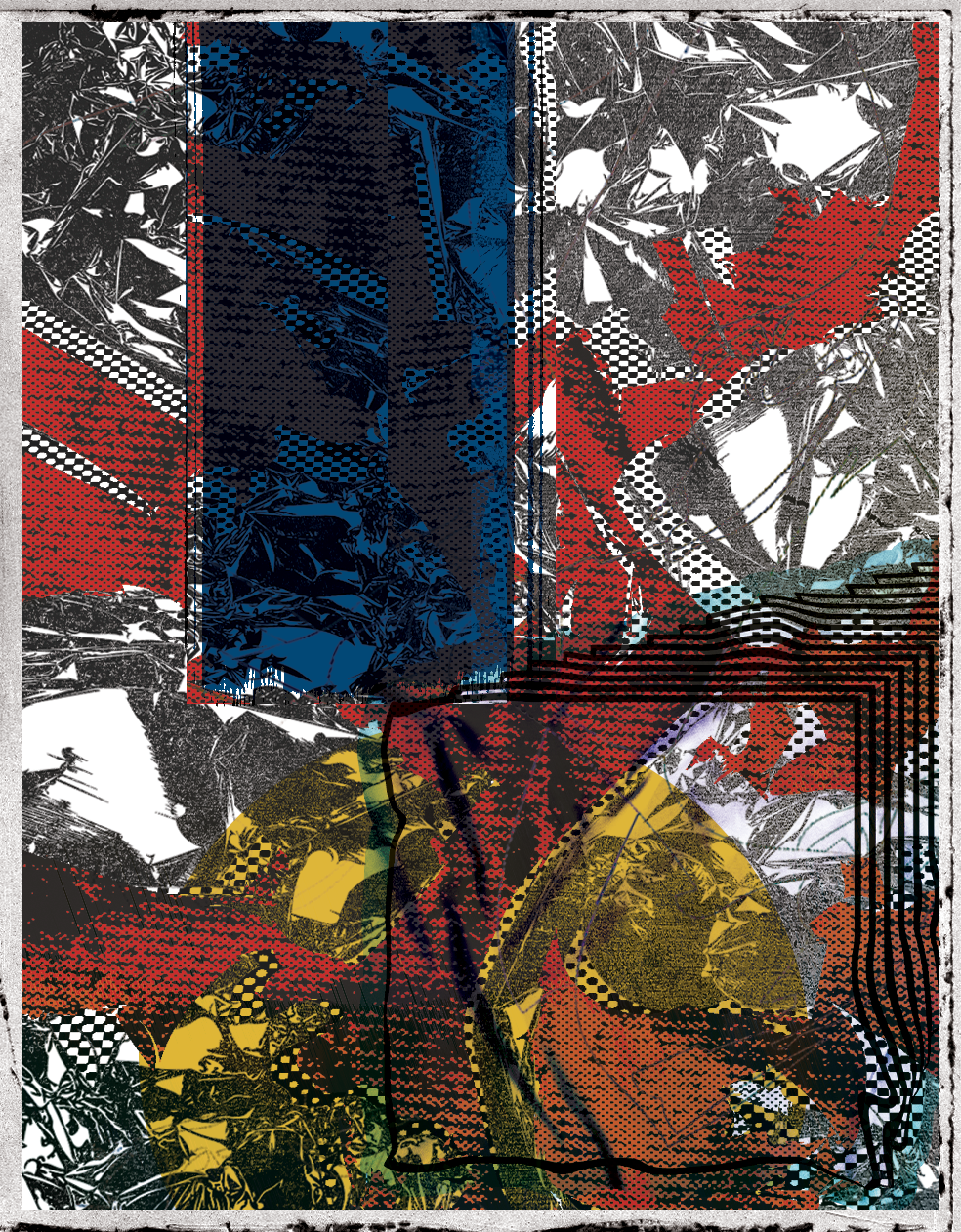
Layer compositions borrow ideas from analog printmaking while texture methodology follows shading practices that are now considered vintage. Comic-book references via titles link the artworks to a personal hall of favorites.
The foil stops being a shape here and becomes a texture; crumpled material spread across the composition as surface rather than subject. Rough, analog, halftone-dotted. The visual language borrows directly from mid-century comic printing: bold contrasts, flattened space, the feel of something printed too many times on newsprint.
Titles are Gambit, Iron Spider, Planet Hulk, Red Son, Comedian.
The abstraction is speaking to something specific, a medium that has no business touching these characters and somehow fits anyway.
With Foils
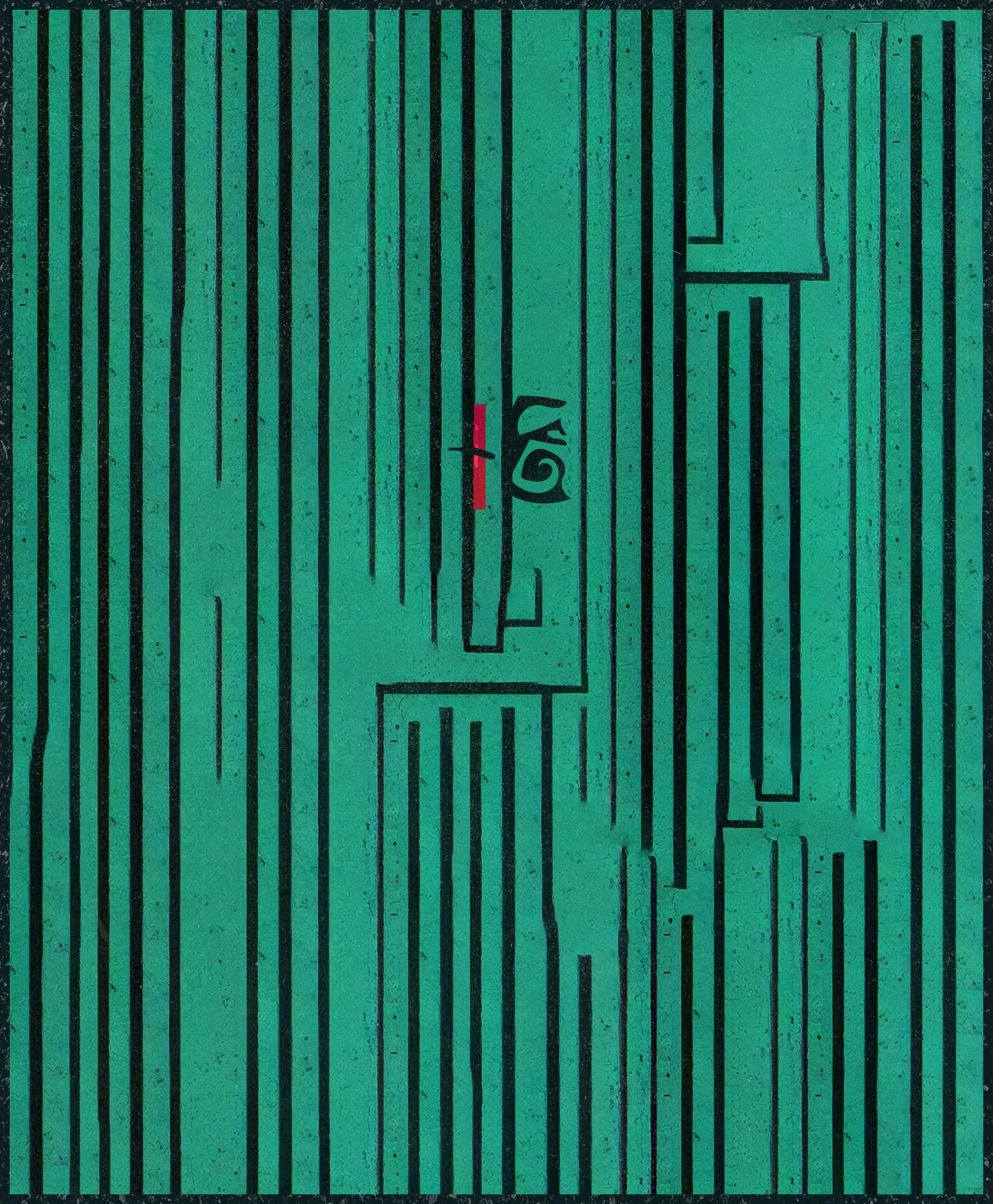
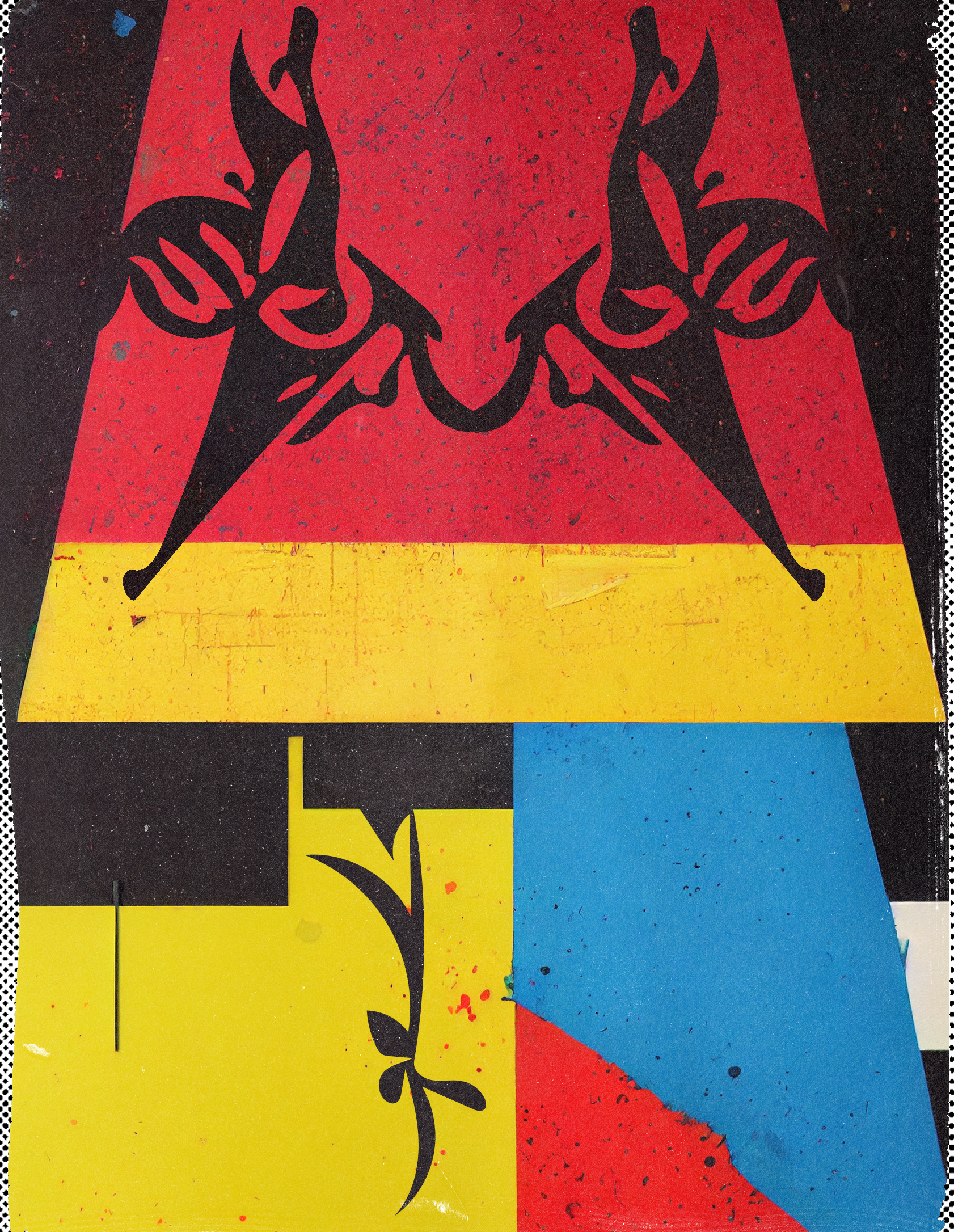
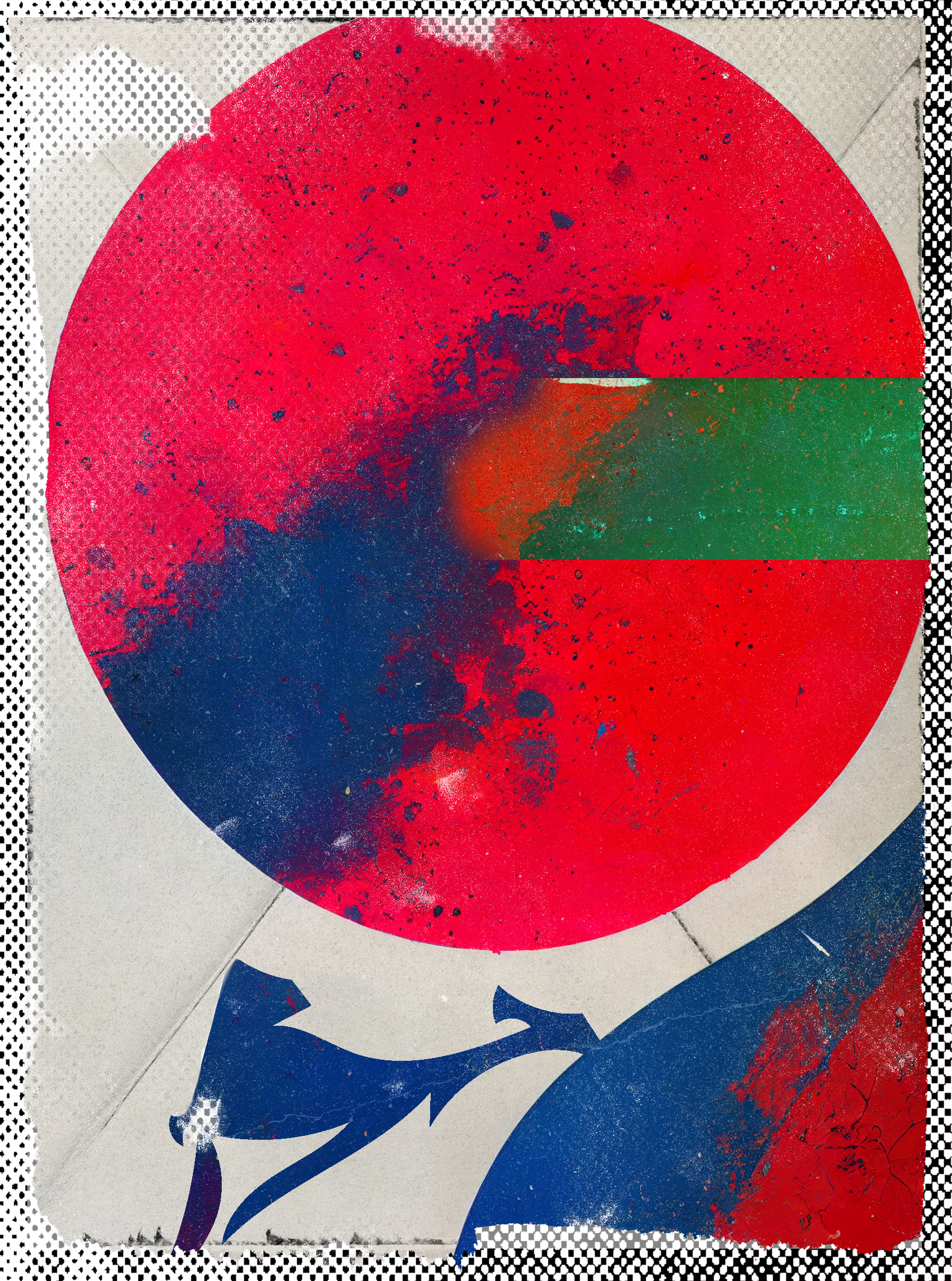
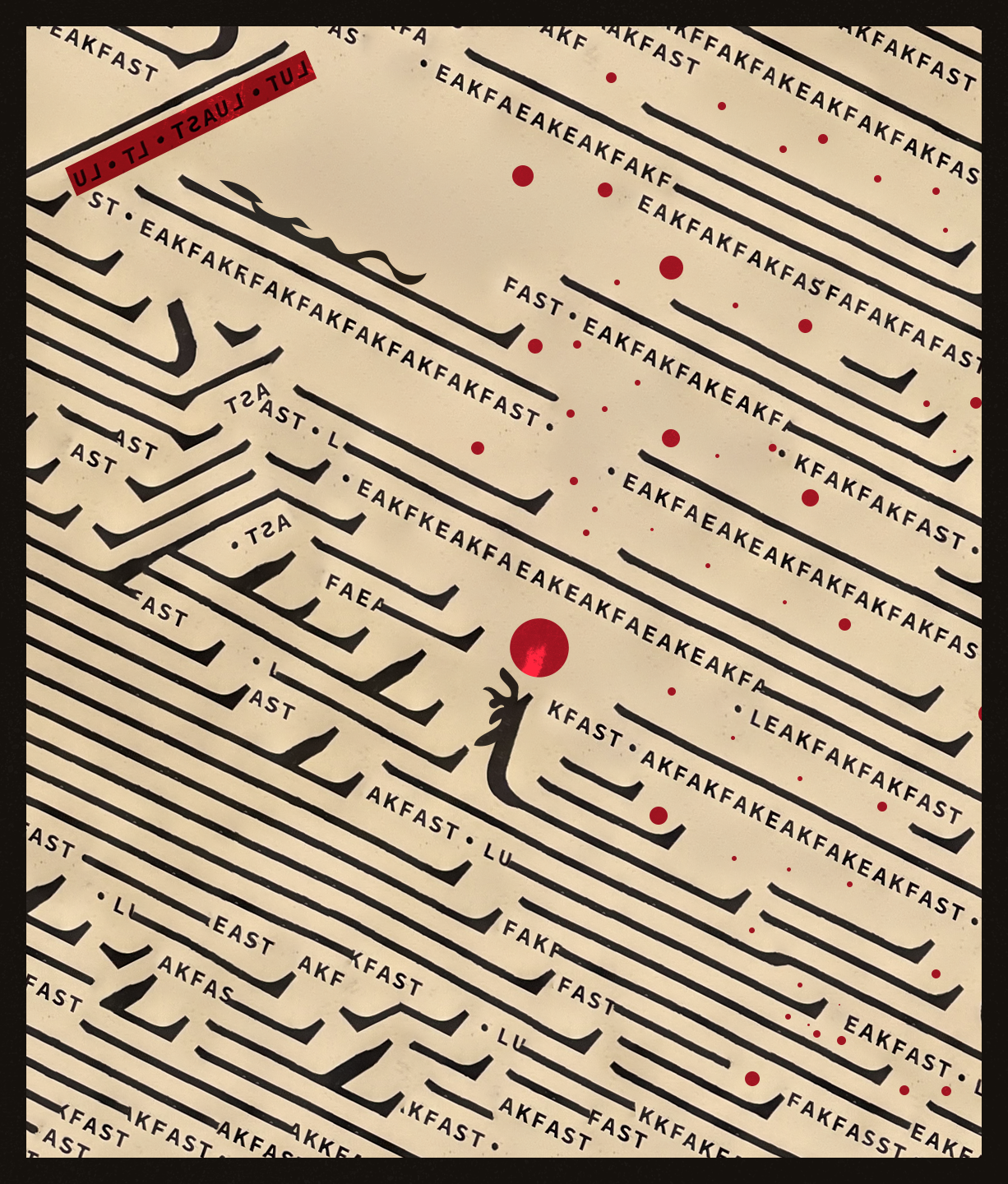
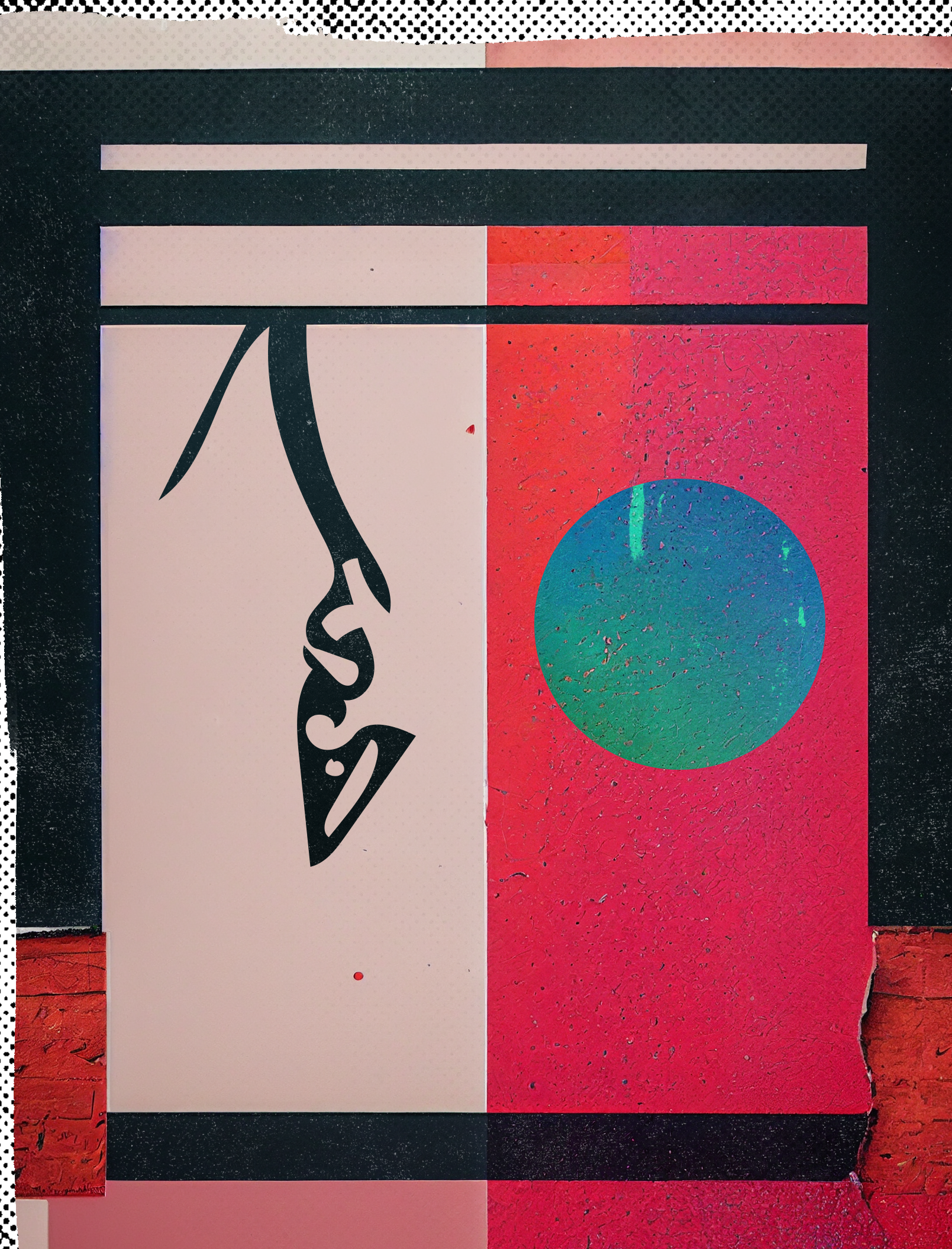
A Foils derivative exploring how meaning is created or perceived, and why a viewer's experience changes when there's a potentially symbolic figure hidden in an abstract composition.
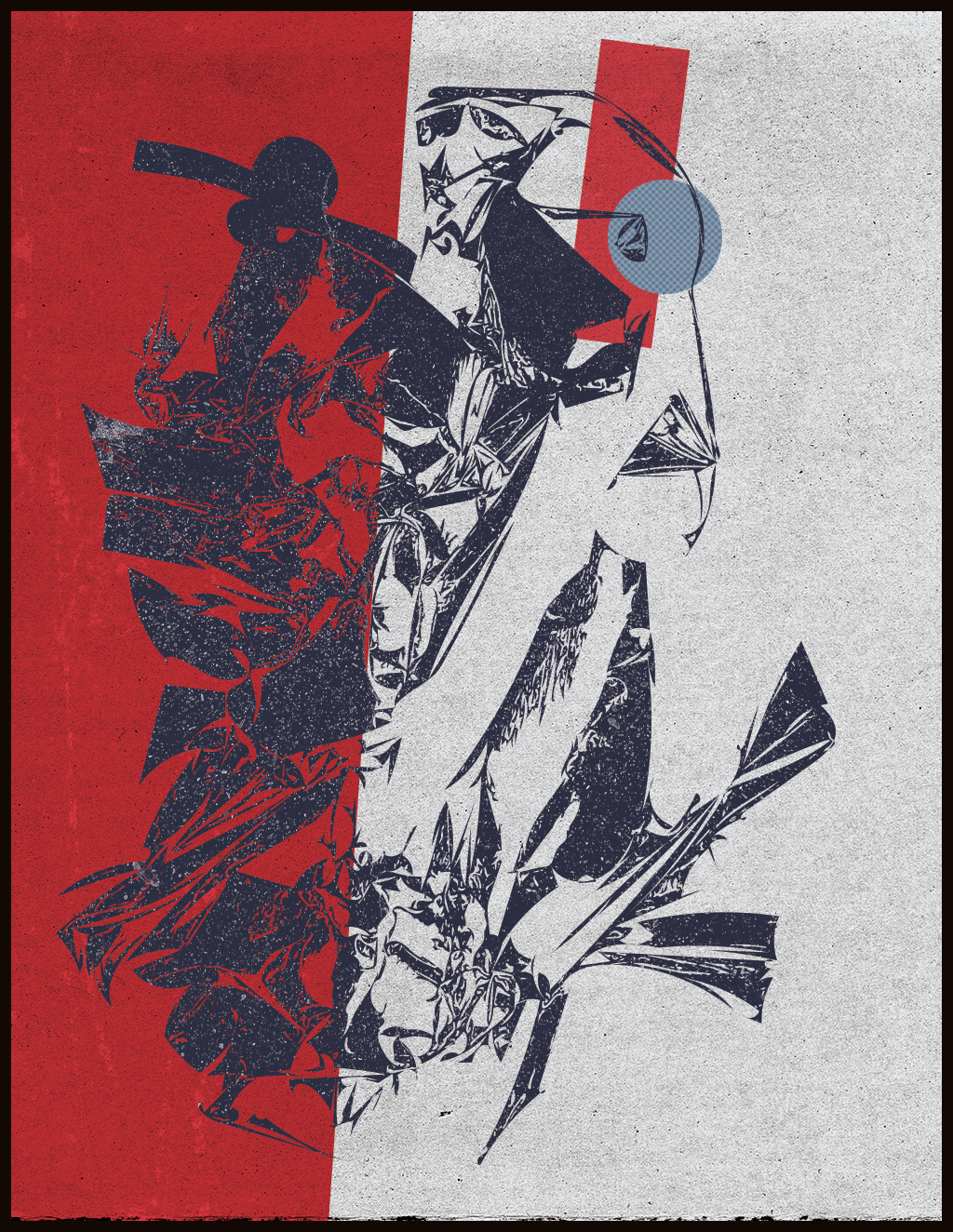
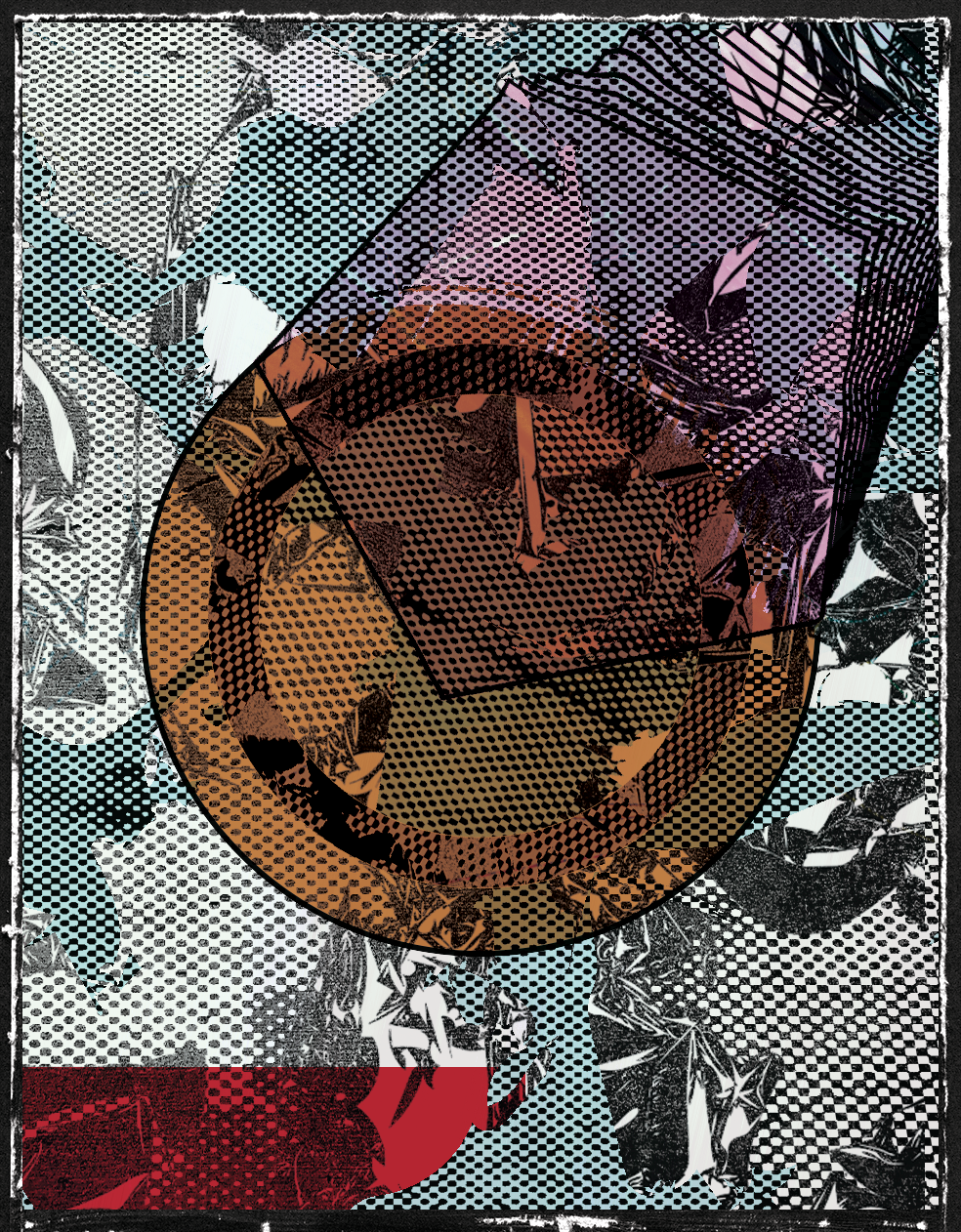
A geometric background. A foil fragment placed inside it: something that might be a figure, might not. The collection doesn't tell you what you're seeing. It waits.
Remove the fragment and the image becomes decorative; add it back and suddenly there's a subject. The viewing experience depends entirely on what the viewer brings.
These pieces are quieter than their titles suggest: Quarter Pikachu, Tin Foil Hat, Chicken & Waffles, Mirror Selfie.
The humor is in the gap between the abstract image and the name someone gave it, and in the realization that once you've read the title, you can't unsee it.
Your Foils
A dialogue with the viewing community, with each work titled after the most recurrent response observed in the first online display.
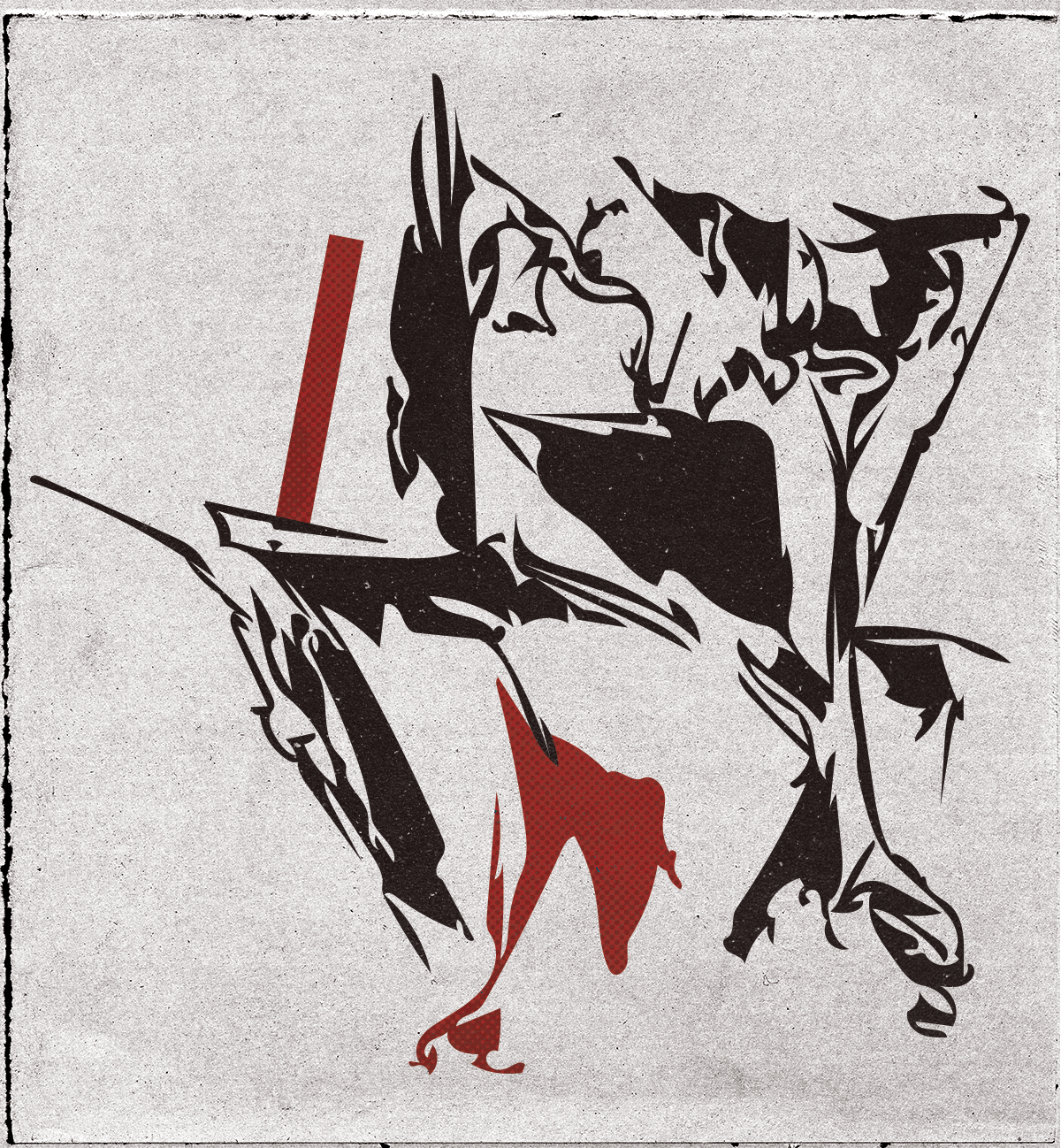
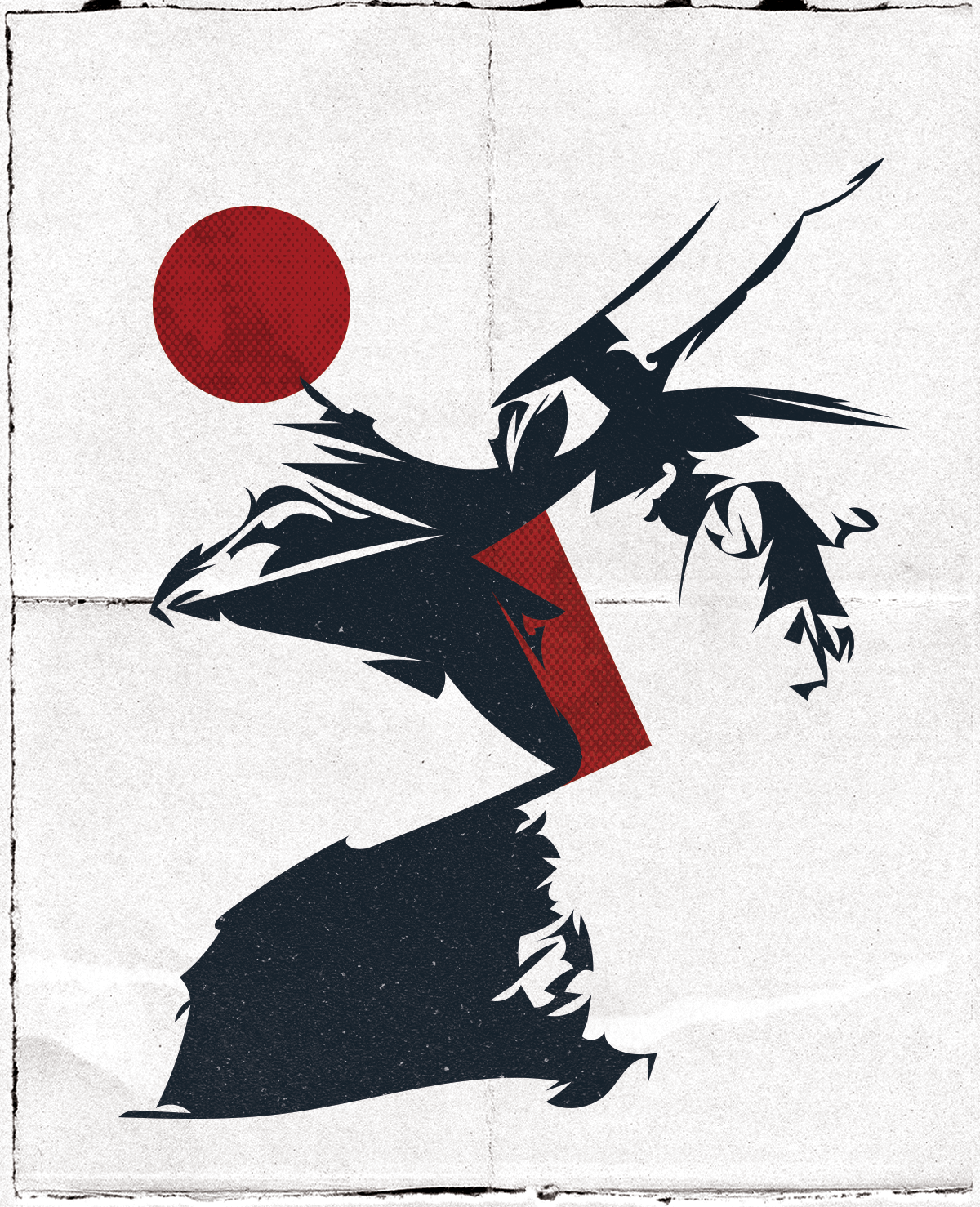
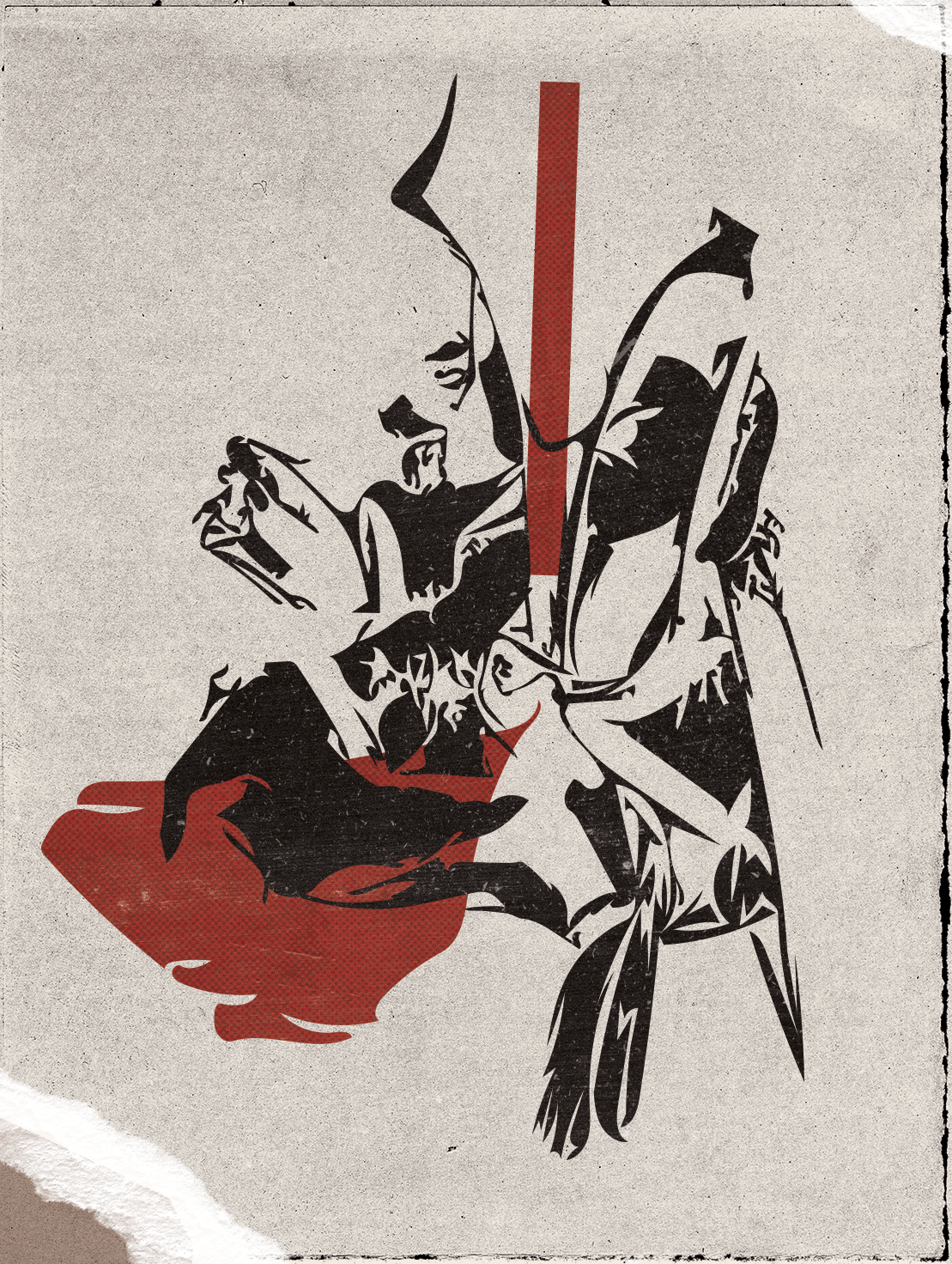
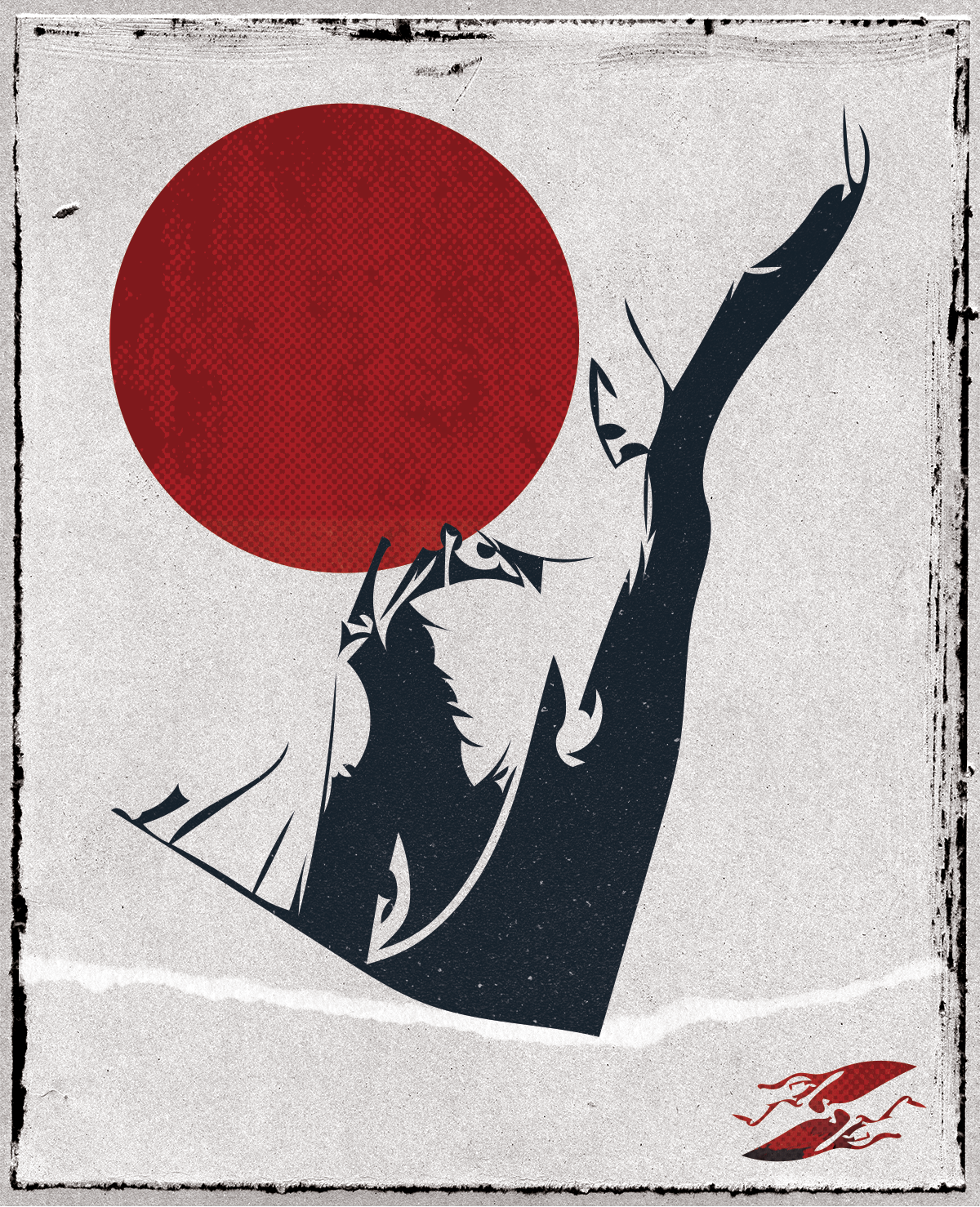
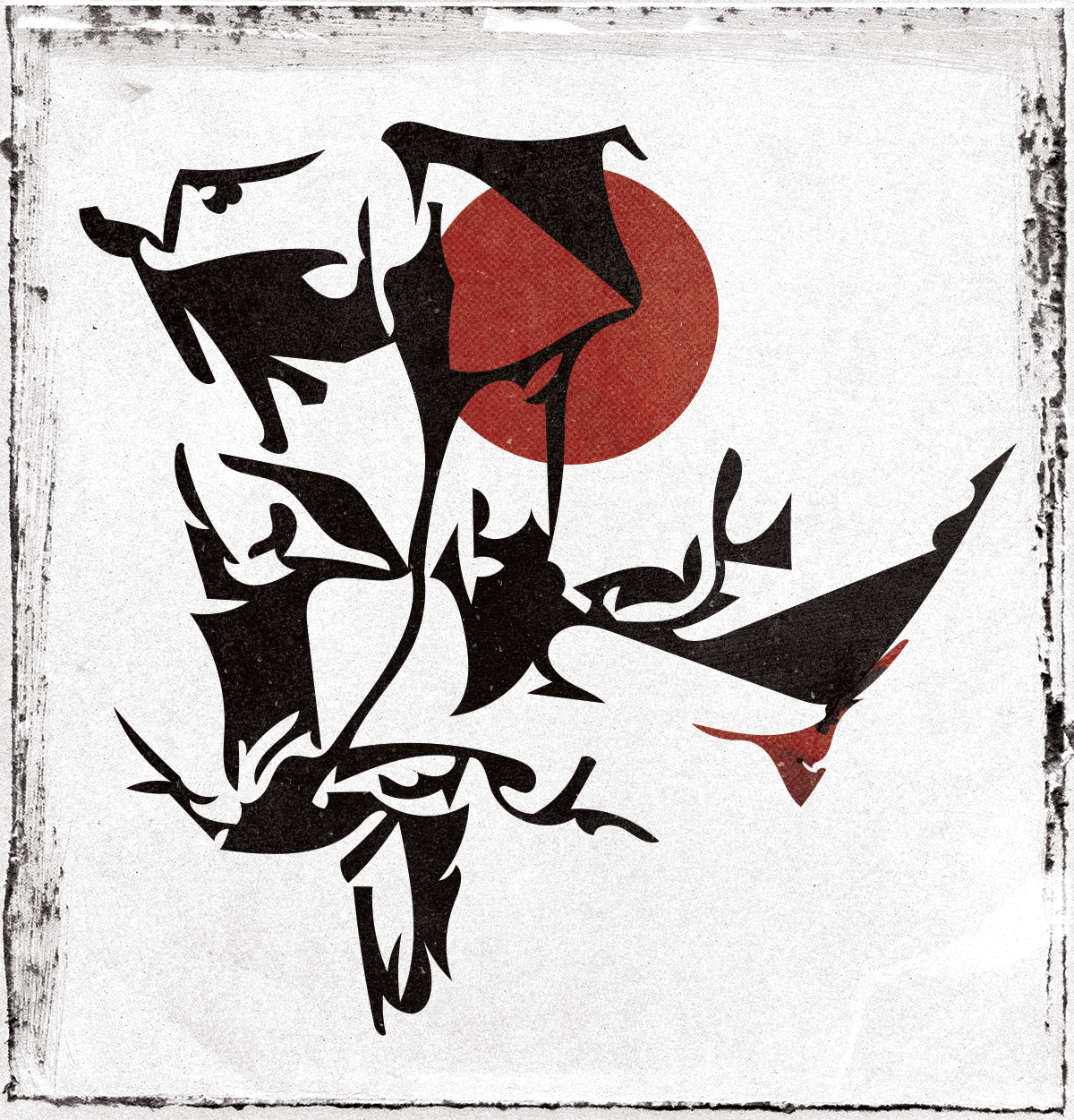
The closest collection to the original Foils aesthetic: black ink-like forms on cream or white, occasional red circle, Japanese minimalist restraint. Deliberately spare, deliberately open. The visual simplicity isn't absence of decision; it's designed to maximize the viewer's interpretive surface.
Each title came from a crowd. Pieces were posted online with a single question. What do you see?
The most common answer became the name. The artist isn't the one who named these. That absence is the work as much as the image.
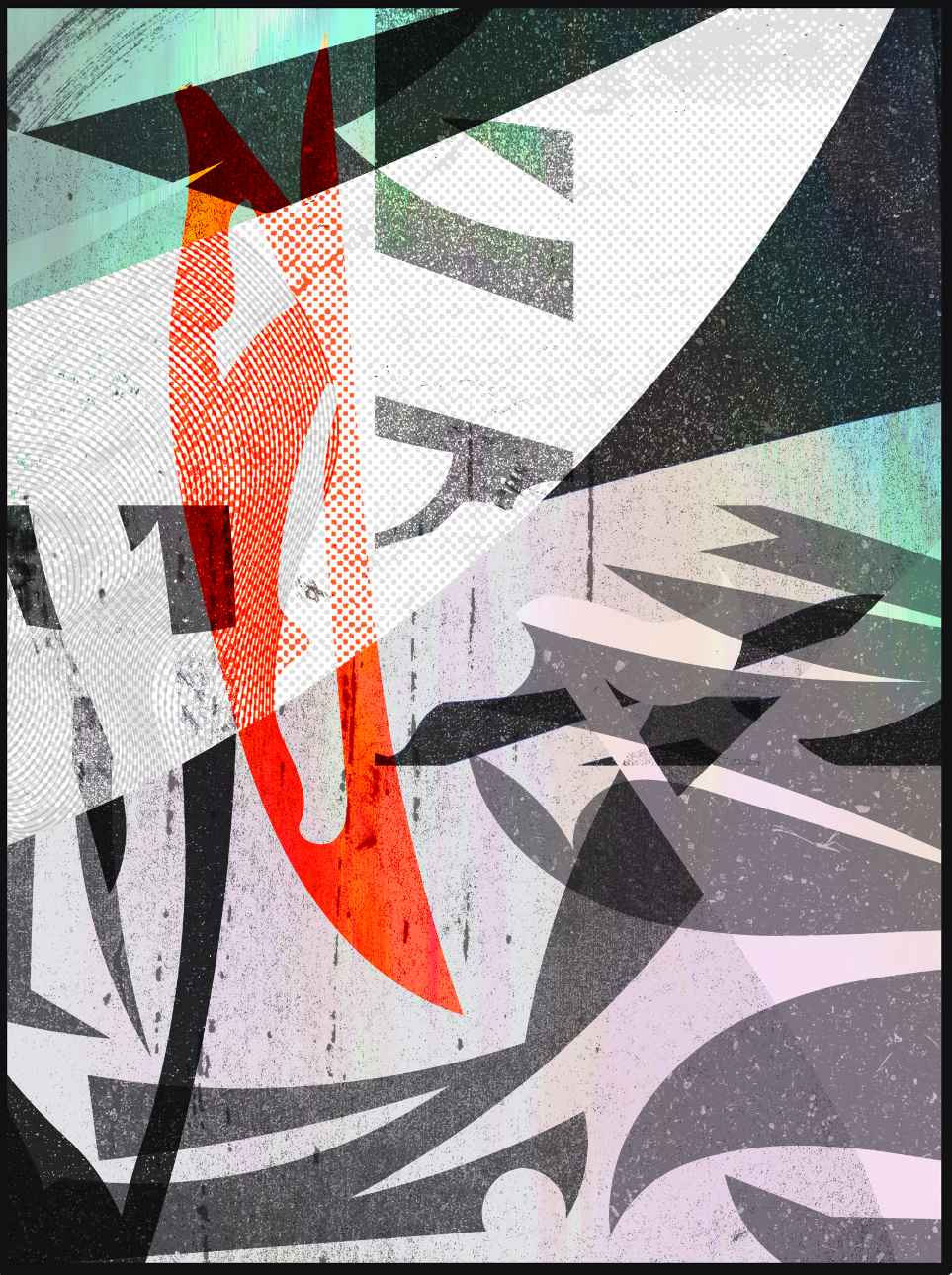
High on Foils
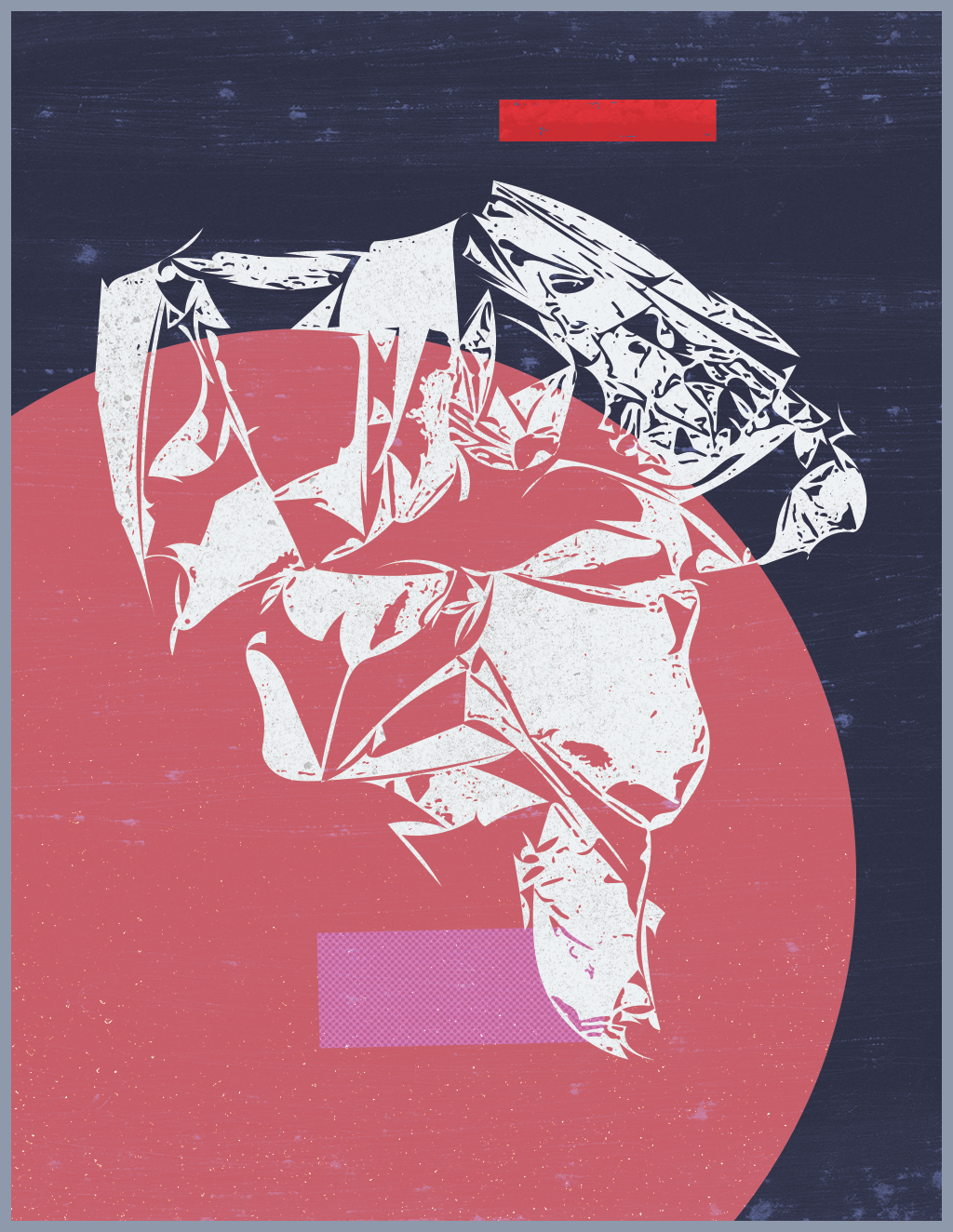
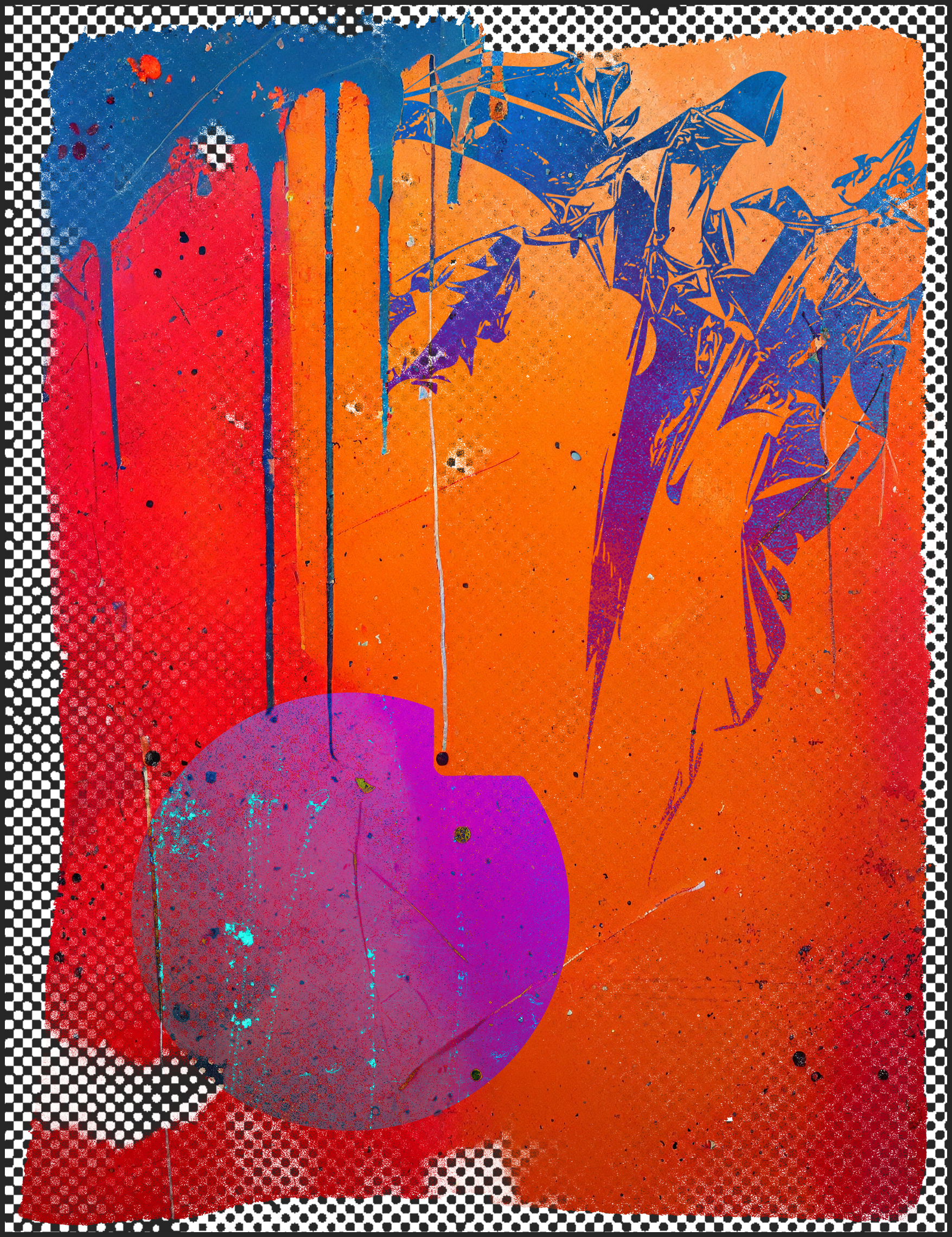
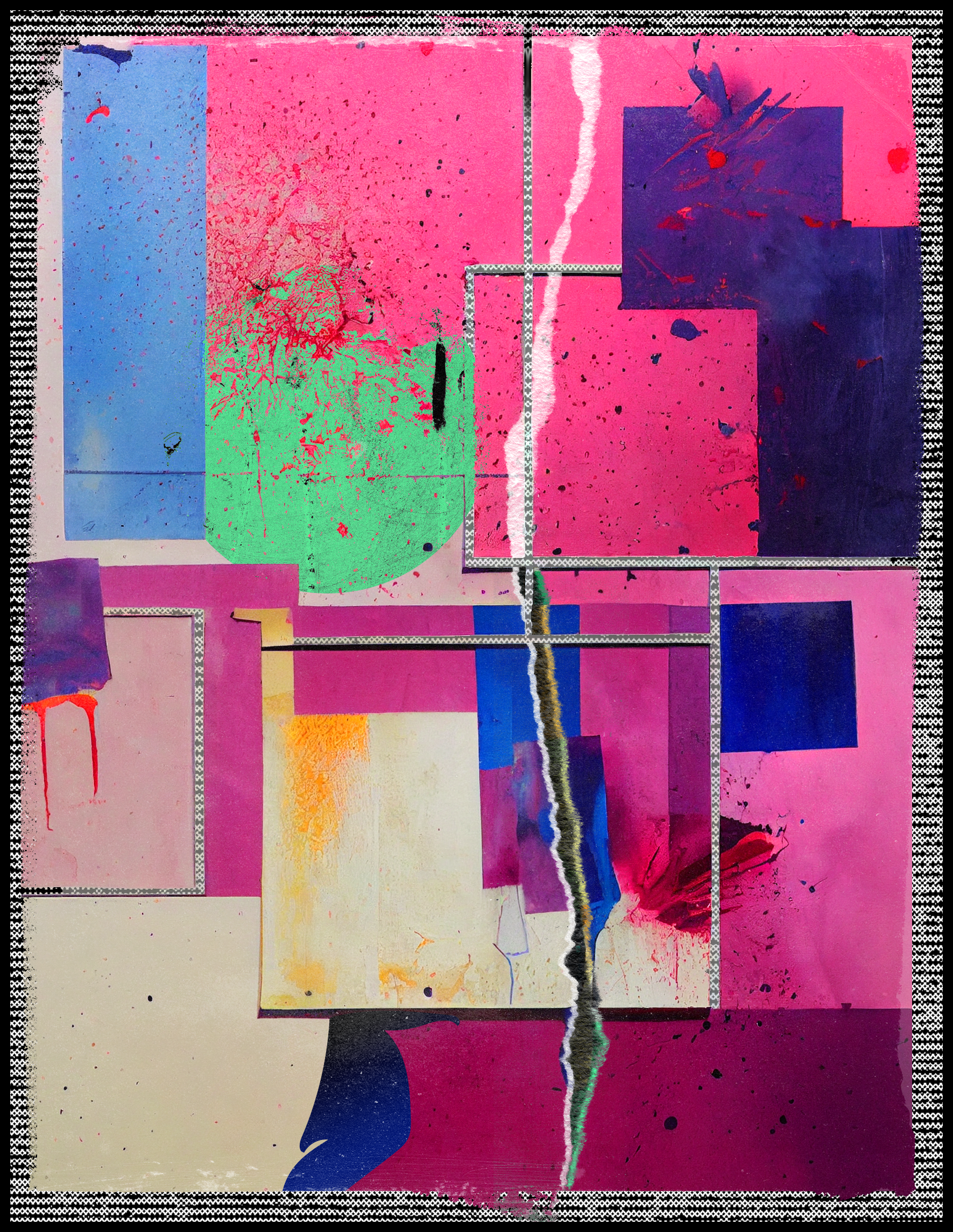
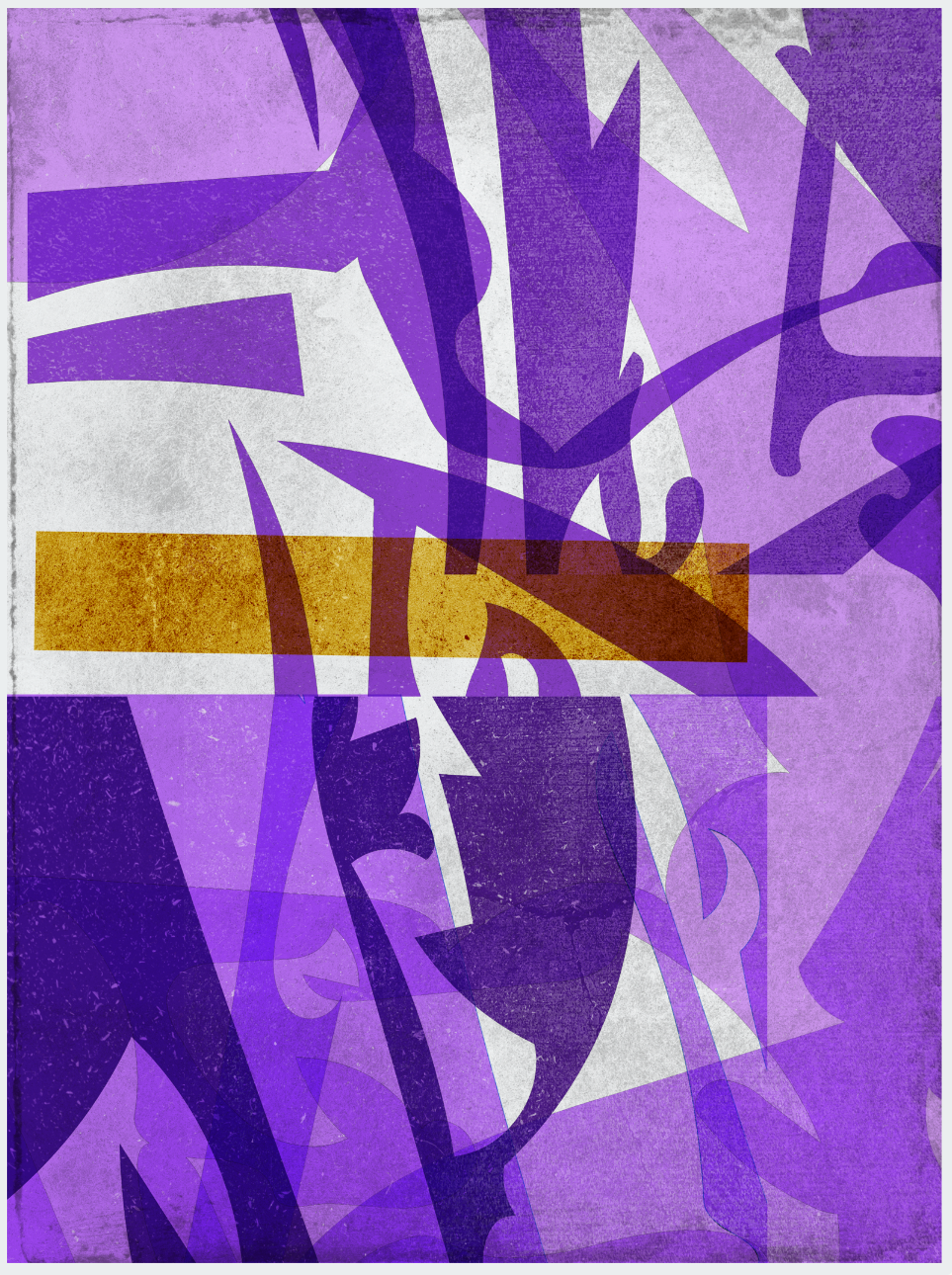
Vibrant purples, electric blues, metallic silvers. No foil visible. No organic trace. These could belong to an entirely different body of work. That's the point. The collection sits at the edge of the series' identity, testing how far a signature can stretch before it stops being itself. Silver Shenanigans, Purple Haze, Blue Without You.
They're the most visually striking pieces in the series and the ones most likely to confuse someone familiar with the rest. The unrecognizability is not a failure of the technique; it's a documentation of what happens when you refuse to stop.
The signature technique pushed past its own limits: new elements and techniques incorporated until the pieces become something else entirely.
Fast and Foils
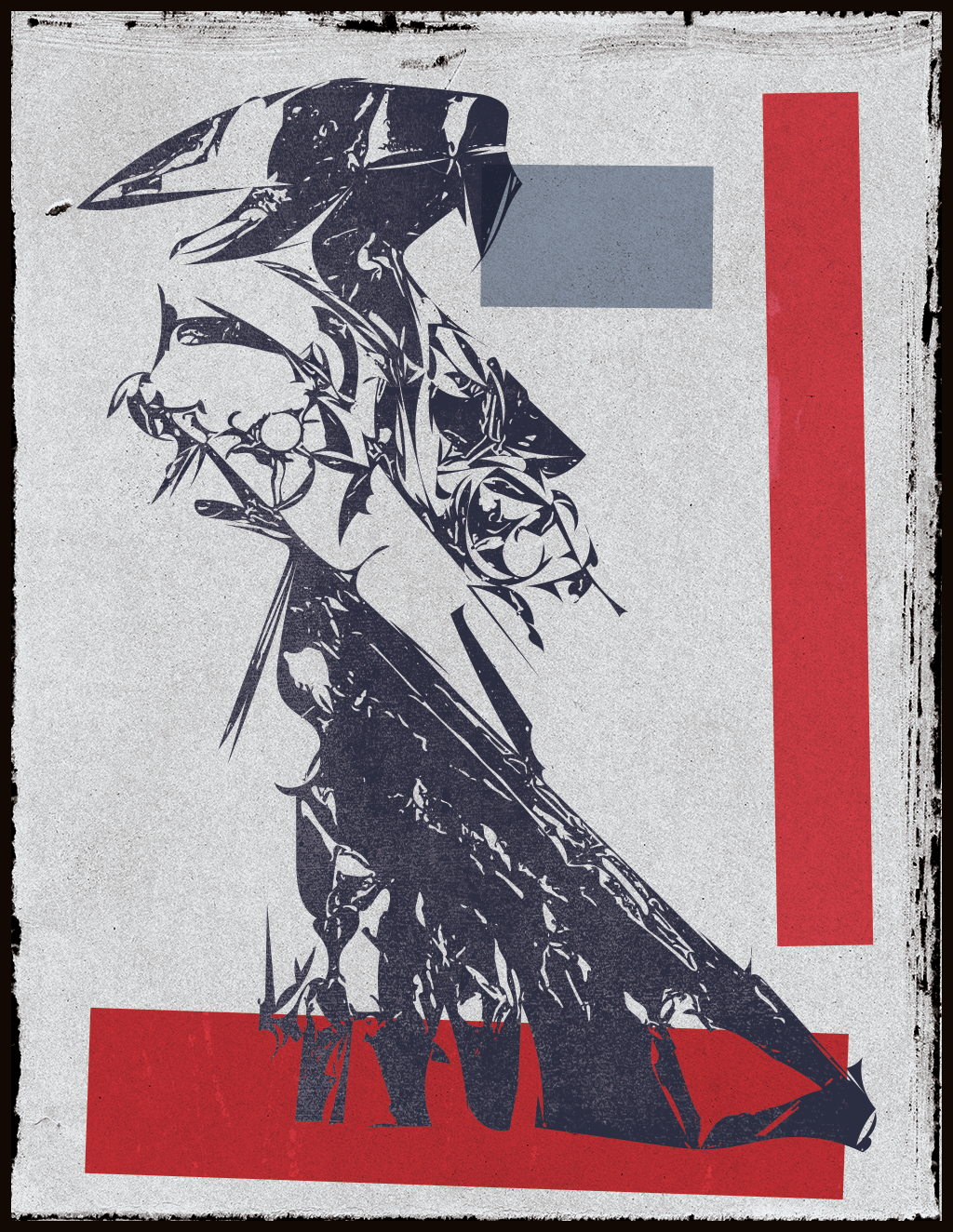
A speed exercise: rules applied rapidly with reactive intuition, a promise made to never revise, only move forward.
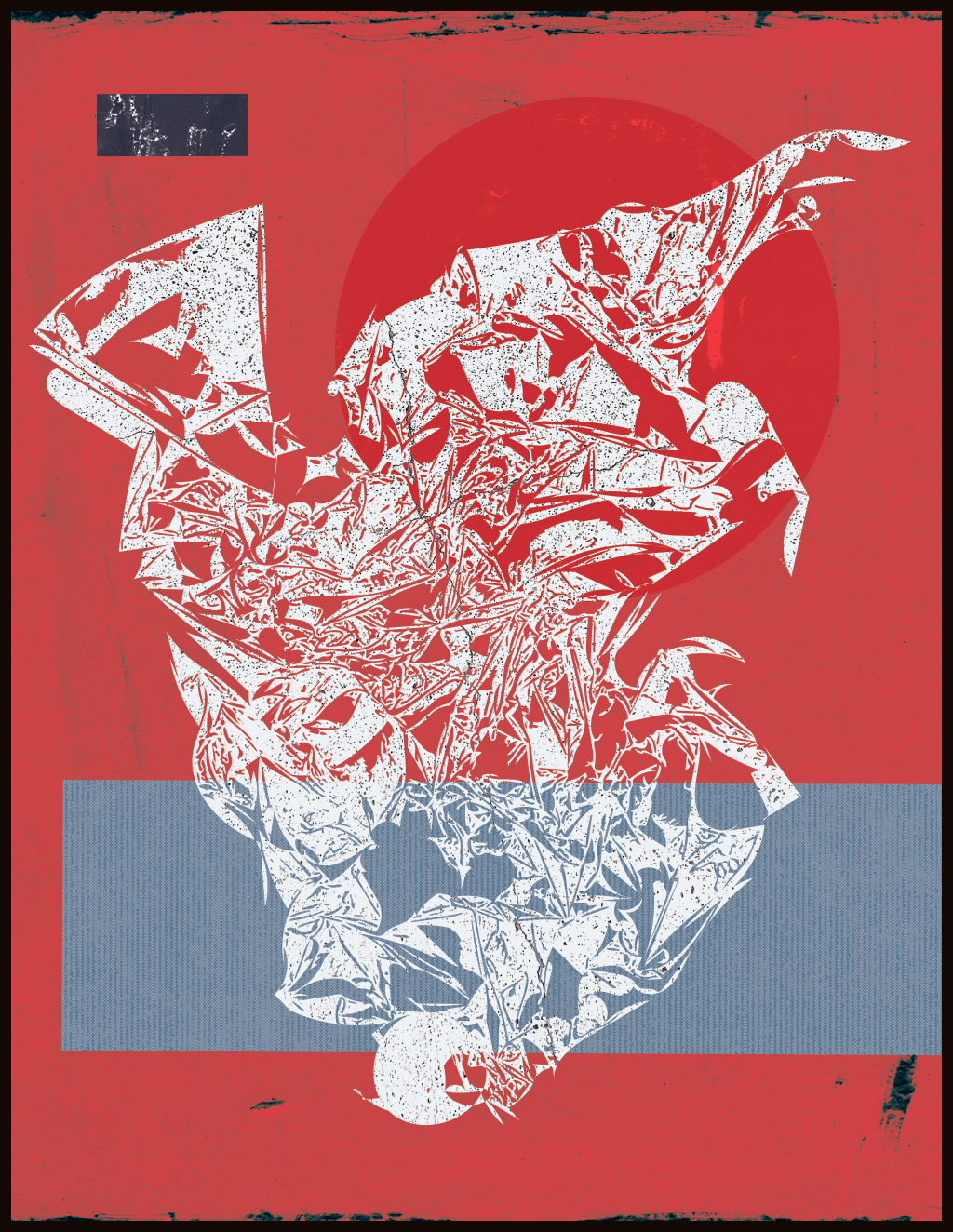
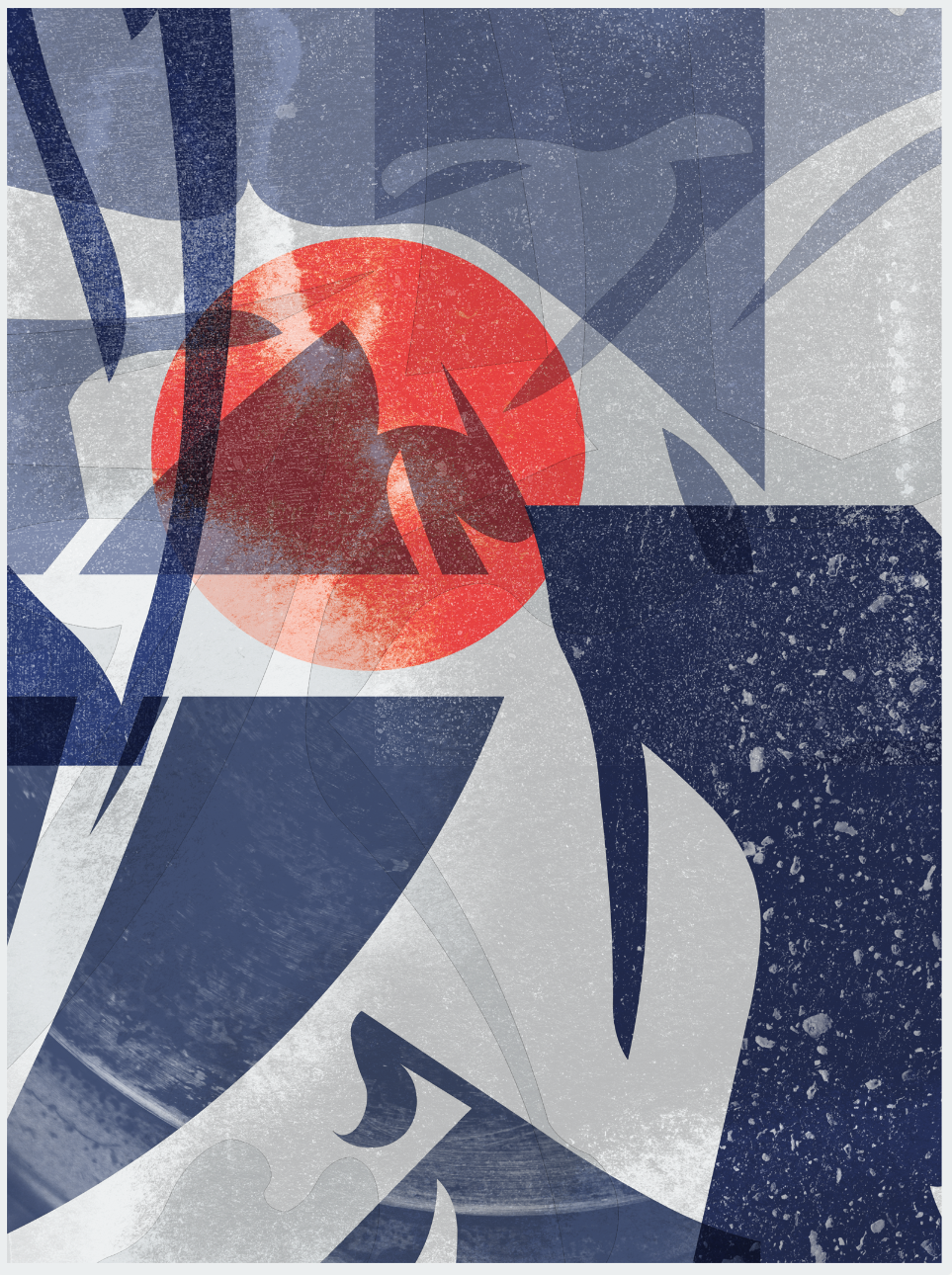
High contrast. Red, black, white. Bold, immediate. These read as posters before they read as paintings; declarative rather than contemplative, each composition a statement rather than a question. The energy of no-going-back is visible in every frame.
Named after iconic vehicles from the Fast and Furious franchise: 2001 Honda S2000 Pink, 1970 Dodge Charger R/T, Toyota Supra, Gurkha LAPV, 1970 Chevrolet Chevelle SS.
The titles aren't metaphors. Speed named the work, and speed made it.